
Title
Developed from the Plattenhaus Poppenbüttel Memorial ExhibitionFragmented Memories:The History of the Women's Satellite Camps of the Neuengamme Concentration Camp in Hamburg, 1944-1945
Photo: Women liberated from the Salzwedel satellite camp of the Neuengamme Concentration Camp, April 1945 (Johann-Friedrich-Danneil-Museum Salzwedel)
“Our work was hard, clearing bomb damage in and around the city of Hamburg... The rubble, it struck me, resembled my own life; nothing remained of the past but irreparably damaged bits and pieces and fragmented memories.” Lucille Eichengreen: From Ashes to Life. My Memories of the Holocaust, p. 102-103.
Photo: Lucille Eichengreen in a mural dedicated to the women imprisoned in the Dessauer Ufer satellite camp (ANg, 2023-939)
Introduction
The Persecution of Women in Nazi Germany
Women were imprisoned in Nazi concentration camps as soon as they
were established in 1933. They were usually housed separately from male
prisoners or in their own camps, initially in the Moringen and Lichtenburg
Concentration Camps, and beginning in 1939, in the newly established central
women's concentration camp at Ravensbrück.
Women were imprisoned for a number of reasons, such as involvement in resistance activities or not fitting within the Nazi's racist and social ideologies. This included being Jewish, Sinti or Roma, a Jehovah's Witness, or having a criminal record. Women were also arrested for being beggars, homeless, alcoholics, and prostitutes.
In January of 1945, more than 200,000 women were held in more than 300 concentration camps and satellite camps of the Nazi regime. In the Ravensbrück Women’s Concentration Camp alone, more than 132,000 women and children were registered by the end of the war.
Photo: Female concentration camp prisoners from the Obernheide satellite camp of the Neuengamme Concentration Camp doing clean-up work after an air raid in Bremen, 6 October 1944 (Staatsarchiv Bremen)
Women were imprisoned for a number of reasons, such as involvement in resistance activities or not fitting within the Nazi's racist and social ideologies. This included being Jewish, Sinti or Roma, a Jehovah's Witness, or having a criminal record. Women were also arrested for being beggars, homeless, alcoholics, and prostitutes.
In January of 1945, more than 200,000 women were held in more than 300 concentration camps and satellite camps of the Nazi regime. In the Ravensbrück Women’s Concentration Camp alone, more than 132,000 women and children were registered by the end of the war.
Photo: Female concentration camp prisoners from the Obernheide satellite camp of the Neuengamme Concentration Camp doing clean-up work after an air raid in Bremen, 6 October 1944 (Staatsarchiv Bremen)
Persecution in Hamburg
Hamburg was considered a Mustergau (model region) when it came to
the persecution of certain minorities – and women were always among the
victims. The Gestapo and Criminal Police in Hamburg used brutal force to
persecute women involved in political opposition, women accused of "racial defilement," women accused of being "socially maladjusted," and women who were Jewish, Sinti or Roma, or Jehovah's Witnesses.
Background Photo: Official photo of women working in the Hanseatische Kettenwerke factory, 1940s. (ANg)
Female prisoners of the Langenhorn satellite camp also worked in this factory.
Background Photo: Official photo of women working in the Hanseatische Kettenwerke factory, 1940s. (ANg)
Female prisoners of the Langenhorn satellite camp also worked in this factory.
The Ravensbrück Concentration Camp
Established at the end of 1938, the Ravensbrück
Concentration Camp was the only centralized women's concentration camp in
Germany. More than 132,000 women, many of whom were from occupied European countries,
were imprisoned at Ravensbrück, as well as about 20,000 men and over 850
children.
It also served as a transit station for women being sent to other camps. In 1944, for example, about 4,300 prisoners were transferred from Ravensbrück to various women's satellite camps of the Neuengamme Concentration Camp in Hamburg.
Background photo: The barracks of the Ravensbrück Concentration Camp, 1940/1941 (MGR/SBG: Nr. 1643, Fo II/D 10)
It also served as a transit station for women being sent to other camps. In 1944, for example, about 4,300 prisoners were transferred from Ravensbrück to various women's satellite camps of the Neuengamme Concentration Camp in Hamburg.
Background photo: The barracks of the Ravensbrück Concentration Camp, 1940/1941 (MGR/SBG: Nr. 1643, Fo II/D 10)
Women's Satellite Camps of the Neuengamme Concentration Camp
The History of the Women's Satellite Camps of the Neuengamme Concentration Camp
Photo: The memorial stone and plaque located at the site of the Sasel satellite camp (SHGL: Alexander Glaue, 2018)
The Neuengamme Concentration Camp
The Neuengamme Concentration Camp was established in 1938 to support large-scale Nazi
building projects planned for Hamburg.
More than 80,000 men and 13,500 women from all over Europe were
imprisoned at Neuengamme. Female prisoners were located almost exclusively at Neuengamme's satellite camps.
Background photo: Entrance to the Neuengamme Concentration Camp, 1941. Photo taken by the SS (ANg 1981-300)
Background photo: Entrance to the Neuengamme Concentration Camp, 1941. Photo taken by the SS (ANg 1981-300)
The Creation of Women's Satellite Camps in Hamburg
Beginning in 1942, the Ministry of Armaments
and German industries increasingly demanded the use of concentration camp
prisoners as forced labourers. As a result, especially in the last year of the
war, numerous satellite camps were established near production and construction
sites.
The living conditions at the satellite camps were characterized by SS terror, exhausting work, a lack of a safe working environment, inadequate medical care, malnutrition, and inadequate housing in often makeshift barracks.
A total of 13,600 women were imprisoned in 24 of the more than 85 satellite camps of the Neuengamme Concentration Camp. Seven of these women's satellite camps were in Hamburg and one was in Wedel, on the western outskirts of Hamburg. The total number of women who died in the Hamburg satellite camps is unknown. 95 deaths were recorded, but the total number is estimated to be much higher.
Photo: Women's concentration camp prisoners from the Obernheide satellite camp of the Neuengamme Concentration Camp doing clean-up work after an air raid in Bremen, 6 October 1944 (StA HB, 10, B-1944-03)
The living conditions at the satellite camps were characterized by SS terror, exhausting work, a lack of a safe working environment, inadequate medical care, malnutrition, and inadequate housing in often makeshift barracks.
A total of 13,600 women were imprisoned in 24 of the more than 85 satellite camps of the Neuengamme Concentration Camp. Seven of these women's satellite camps were in Hamburg and one was in Wedel, on the western outskirts of Hamburg. The total number of women who died in the Hamburg satellite camps is unknown. 95 deaths were recorded, but the total number is estimated to be much higher.
Photo: Women's concentration camp prisoners from the Obernheide satellite camp of the Neuengamme Concentration Camp doing clean-up work after an air raid in Bremen, 6 October 1944 (StA HB, 10, B-1944-03)
The Women's Satellite Camps in Hamburg and Wedel
Photo: Names of satellite camps of the Neuengamme Concentration Camp engraved in the International Monument at Neuengamme (SHGL, Casey Sennett, 2024)
Scroll up
Scroll left
Scroll right
Scroll down
Hamburg-Eidelstedt
Hamburg-Langenhorn
Hamburg-Neugraben
Hamburg-Tiefstack
Hamburg-Veddel
Hamburg-Wandsbek
Hamburg-Wedel
Hamburg-Sasel
Female Prisoners
Biographies of Prisoners
Scroll up
Scroll left
Scroll right
Scroll down
Wanda Edelmann Biography
Nada Verbič Biography
Suleika Klein Biography
Livia Fränkel and Hédi Fried Biography
Anita Lobel Biography
Zyska Reder Biography
Madeleine Schulps Biography
Dagmar Lieblová Biography
Esther Rosenbaum Biography
Lucille Eichengreen Biography
Neonila Kurlyak Biography
After the War
Post-War Trials
As early as 1942, the governments-in-exile of nine
occupied European countries demanded that Nazi war crimes be prosecuted. The
Allies complied with this demand after the war and tried the primary war
criminals at the International Military Tribunal in Nuremberg.
In their occupation zone, the British also held at least 358 trials against approximately 1,100 men and women for their involvement in war crimes, including eight trials concerning the Neuengamme Concentration Camp and 27 trials concerning its satellite camps. A total of 109 verdicts were handed down. Sentences ranged from acquittals to prison terms to the death penalty.
In nine of these cases, charges were brought against former guards of the Sasel, Neugraben, Tiefstack, and Wandsbek women's satellite camps. German public prosecutors, on the other hand, remained largely inactive. Only ten investigations against SS personnel at the Neuengamme Concentration Camp and its satellite camps led to trials. Of those tried, only seven were convicted.
Photo: British guards in front of the Curio House, where British military trials for war crimes were held from 1946 to 1948, on Rothenbaumchaussee in Hamburg (Hans Nesna: Zoo eft Duitschland op de Puinhoopen van het Derde Reich, Amsterdam 1946)
In their occupation zone, the British also held at least 358 trials against approximately 1,100 men and women for their involvement in war crimes, including eight trials concerning the Neuengamme Concentration Camp and 27 trials concerning its satellite camps. A total of 109 verdicts were handed down. Sentences ranged from acquittals to prison terms to the death penalty.
In nine of these cases, charges were brought against former guards of the Sasel, Neugraben, Tiefstack, and Wandsbek women's satellite camps. German public prosecutors, on the other hand, remained largely inactive. Only ten investigations against SS personnel at the Neuengamme Concentration Camp and its satellite camps led to trials. Of those tried, only seven were convicted.
Photo: British guards in front of the Curio House, where British military trials for war crimes were held from 1946 to 1948, on Rothenbaumchaussee in Hamburg (Hans Nesna: Zoo eft Duitschland op de Puinhoopen van het Derde Reich, Amsterdam 1946)
“We were cross-examined...
... to prove the crimes of each individual. We were so disheartened, and they asked everyone to identify who we recognised and who had shot so-and-so. They all looked the same in uniform. And if one of them grimaced or smiled, then he looked completely different. They were not punished.”
Zyska Reder, Interview, 1981. (ANg)
Photo: Former Neuengamme Concentration Camp prisoner Herbert Schemmel identifying Neuengamme guards, 1945. (ANg 1981-71)
Zyska Reder, Interview, 1981. (ANg)
Photo: Former Neuengamme Concentration Camp prisoner Herbert Schemmel identifying Neuengamme guards, 1945. (ANg 1981-71)
Trials of the Female Satellite Camps
In 1946 and 1947, British military courts held nine
trials prosecuting those responsible for the mistreatment and death of
prisoners in the women's satellite camps of Sasel, Neugraben, Tiefstack, and
Wandsbek. In the 1970s and 1980s, there was also an investigation and trial of the former
camp leader of the Eidelstedt satellite camp.
Background photo: The British military court during a trial at the Curio House, 1946 (ANg 1995-1132)
Background photo: The British military court during a trial at the Curio House, 1946 (ANg 1995-1132)
Remembrance Culture
Remembrance in Hamburg
Until the 1970s, Hamburg had very few places of
remembrance or commemoration at the sites of National Socialist persecution.
The Neuengamme Concentration Camp and its satellite camps had no significance
in public memory. This changed when the younger generations began to take an
increasingly critical approach to Germany’s National Socialist past.
Since the founding of the Neuengamme Concentration Camp Memorial in 1981, it has supported research into the history of the satellite camps and the preservation of their memory. Today, numerous plaques, monuments, and memorials bear witness to the crimes committed in the satellite camps of the Neuengamme Concentration Camp.
At present, Hamburg has more than 150 memorials and monuments commemorating the victims of persecution, marginalization, and terror under National Socialism. Nineteen of these memorials now have permanent exhibitions. There are also more than 300 memorial plaques, 6650 Stolpersteine (stumbling stones), and over 191 streets named after victims of National Socialism in the city.
Photo: Heinrich Heine monument in front of Hamburg's city hall (SHGL, Olaf Pascheit, 2020)
Since the founding of the Neuengamme Concentration Camp Memorial in 1981, it has supported research into the history of the satellite camps and the preservation of their memory. Today, numerous plaques, monuments, and memorials bear witness to the crimes committed in the satellite camps of the Neuengamme Concentration Camp.
At present, Hamburg has more than 150 memorials and monuments commemorating the victims of persecution, marginalization, and terror under National Socialism. Nineteen of these memorials now have permanent exhibitions. There are also more than 300 memorial plaques, 6650 Stolpersteine (stumbling stones), and over 191 streets named after victims of National Socialism in the city.
Photo: Heinrich Heine monument in front of Hamburg's city hall (SHGL, Olaf Pascheit, 2020)
Remembrance at the Female Satellite Camps
Thanks to the commitment of former prisoners and their families, school groups, and various initiatives, the Plattenhaus Poppenbüttel Memorial was established in 1985 with an exhibition about the Sasel satellite camp.
There are now memorials at all of the former Neuengamme Concentration Camp women's satellite camps in Hamburg. The memorials range from memorial plaques and information boards to the Plattenhaus Poppenbüttel Memorial.
Background photo: A memorial plaque inscribed with the names and birthdates of women imprisoned at the Wandsbek satellite camp. Part of the memorial at the site of the Wandsbeck satellite camp (SHGL, Katja Hertz-Eichenrode, 2011)
There are now memorials at all of the former Neuengamme Concentration Camp women's satellite camps in Hamburg. The memorials range from memorial plaques and information boards to the Plattenhaus Poppenbüttel Memorial.
Background photo: A memorial plaque inscribed with the names and birthdates of women imprisoned at the Wandsbek satellite camp. Part of the memorial at the site of the Wandsbeck satellite camp (SHGL, Katja Hertz-Eichenrode, 2011)
Further Resources
Resources
Memorial Sites
Literature
Photo: Plattenhaus Poppenbüttel Memorial (SHGL, Iris Groschek, 2019)
- Foundation of Hamburg Memorials and Learning Centres Commemorating the Victims of Nazi Crimes
- Learning Center Online Archive (Neuengamme Concentration Camp Memorial)
- Memorials in Hamburg in Remembrance of Nazi Crimes
- Neuengamme Concentration Camp Memorial
-
Plattenhaus Poppenbüttel Memorial
- Ravensbrück Concentration Camp Memorial
Literature
- Eichengreen, Lucille. From Ashes to Life: My Memoires of the Holocaust. San Francisco: Mercury House, 1994.
- Eichengreen, Lucille. Haunted Memories: Portraits of Women in the Holocaust. Exeter, New Hampshire: Publishingworks, 2011.
- Epstein, Franci Rabinek. Franci’s War: A Woman‘s Story of Survival. New York: Penguin Books, 2020.
- Fried, Hédi. Questions I Am Asked about the Holocaust. Transl. by Alice Olsson. Minneapolis: Scribe US, 2019.
- Kraus, Dita. A Delayed Life. London: Penguin Random House UK, 2020.
- Lieblová, Dagmar. Someone Made a Mistake, So I am Here Now: The Dagmar Lieblová Story. Transl. by Rita McLeod. McLeod Publishing, 2016.
- Reinhartz, Henia. Bits and Pieces. Ontario: The Azrieli Foundation, 2007.
- The Neuengamme Concentration Camp Memorial. Traces of History: The Exhibitions. Bremen: Edition Temmen, 2005.
- Salt, Renee/Kate Thompson. A Mother's Promise: My true story of surviving Auschwitz and the horrors of the Holocaust. London: Orion, 2025.
Photo: Plattenhaus Poppenbüttel Memorial (SHGL, Iris Groschek, 2019)
Imprint
Imprint
This is project by the Foundation of Hamburg Memorials and Learning Centres Commemorating the Victims of Nazi Crimes.
The content of the project was based off of the permanent exhibition at the Plattenhaus Poppenbüttel Memorial. For more information about the memorial and its visiting hours, please see the Plattenhaus Poppenbüttel Memorial's website.
Digital curator: Casey Sennett
Project team: Alyn Šišić (project leader), Dr. Christine Eckel, Clara Mansfeld and Casey Sennett
Translators: Amanda Lee, Hamburg, and Casey Sennett
Proof-readers: Dr. Christine Eckel and Casey Sennett
Digital consultant: Clara Mansfeld
Photos: Neuengamme Concentration Camp Memorial Archive (ANg), German Federal Archive (BArch), Foundation of Hamburg Memorials and Learning Centers (SHGL), Ravensbrück Memorial Museum (MGR) and Stiftung Brandenburgische Gedenkstätten (SBG), Bremen State Archive (StA HB), and Johann-Friedrich-Danneil-Museum Salzwedel.
We were unable to locate all persons holding the rights to the images used. We would therefore kindly ask anyone who hold rights to any images included here to please contact the Foundation of Hamburg Memorials and Learning Centres (stiftung@gedenkstaetten.hamburg.de).
We would like the Memorial Museums Department of the Topography of Terror Foundation for their support.
@SHGL, 2025
Photo: Postcard from the Plattenhaus Poppenbüttel Memorial (SHGL, Iris Groschek, 2023)
The content of the project was based off of the permanent exhibition at the Plattenhaus Poppenbüttel Memorial. For more information about the memorial and its visiting hours, please see the Plattenhaus Poppenbüttel Memorial's website.
Digital curator: Casey Sennett
Project team: Alyn Šišić (project leader), Dr. Christine Eckel, Clara Mansfeld and Casey Sennett
Translators: Amanda Lee, Hamburg, and Casey Sennett
Proof-readers: Dr. Christine Eckel and Casey Sennett
Digital consultant: Clara Mansfeld
Photos: Neuengamme Concentration Camp Memorial Archive (ANg), German Federal Archive (BArch), Foundation of Hamburg Memorials and Learning Centers (SHGL), Ravensbrück Memorial Museum (MGR) and Stiftung Brandenburgische Gedenkstätten (SBG), Bremen State Archive (StA HB), and Johann-Friedrich-Danneil-Museum Salzwedel.
We were unable to locate all persons holding the rights to the images used. We would therefore kindly ask anyone who hold rights to any images included here to please contact the Foundation of Hamburg Memorials and Learning Centres (stiftung@gedenkstaetten.hamburg.de).
We would like the Memorial Museums Department of the Topography of Terror Foundation for their support.
@SHGL, 2025
Photo: Postcard from the Plattenhaus Poppenbüttel Memorial (SHGL, Iris Groschek, 2023)
Hamburg-Eidelstedt
Hamburg-Eidelstedt
In 1978, the trial of Walter Kümmel, the former camp
leader of the Eidelstedt satellite camp, elicited much press coverage and a
neo-Nazi march. In the district of
Lurup, where the camp was located, it prompted discussions about the district's
past. Members of the Emmaus Church in Hamburg-Lurup founded the Working Group
against Neo-Fascism, which researched the history of the district during the Nazi
Era. In 1979, they initiated the placement of a memorial stone for the victims
of National Socialism on the church grounds at Kleiberweg 115. A bronze plaque
commemorating the Eidelstedt women's satellite camp was added later.
In 1985, another memorial stone was placed at the site of the former camp, between Randowstraße and Friedrichshulder Weg, by a project group from the Glückstädter Weg Comprehensive School, now the Geschwister Scholl Comprehensive School. The Hamburg Cultural Authority, as part of its Sites of Persecution and Resistance 1933–1945 Programme, also known as the Black Plaque Programme, placed a plaque at this memorial site in 1988.
In July 2025, five new Stolpersteine ('stumbling stones') were laid at the memorial stone. They commemorate children and women who did not survive the camp.
Photo: The memorial stone and plaque located at the site of the Eidelstedt satellite camp (SHGL, Alexander Glaue, 2018)
In 1985, another memorial stone was placed at the site of the former camp, between Randowstraße and Friedrichshulder Weg, by a project group from the Glückstädter Weg Comprehensive School, now the Geschwister Scholl Comprehensive School. The Hamburg Cultural Authority, as part of its Sites of Persecution and Resistance 1933–1945 Programme, also known as the Black Plaque Programme, placed a plaque at this memorial site in 1988.
In July 2025, five new Stolpersteine ('stumbling stones') were laid at the memorial stone. They commemorate children and women who did not survive the camp.
Photo: The memorial stone and plaque located at the site of the Eidelstedt satellite camp (SHGL, Alexander Glaue, 2018)
Hamburg-Neugraben
Hamburg-Neugraben
On the site of the former Neugraben satellite camp on
Falkenbergsweg, a memorial stone with an informational plaque was unveiled on
16 April 1985 at the initiative of the Fischbek chapter of the Social
Democratic Party. That same year, participants at an international
youth work camp at the Neuengamme Concentration Camp Memorial researched the
satellite camp. After the plaque was repeatedly vandalized and had to be
replaced several times, the Harburg District Assembly decided to erect a new
bronze plaque in a busier location in the centre of Neugraben next to the town
hall on Neugrabener Markt. This new memorial was inaugurated on 15 April 1992.
In 2005, a private initiative removed the damaged plaque from the original memorial stone at the former camp site and replaced it with an inscription in the memorial stone. The former camp site was incorporated into the Fischbeker Heide Nature Reserve in 1990 and is now located at the start of a hiking trail. In 2020, students from the Süderelbe Secondary School erected an information panel and memorial column at Falkenbergsweg 71. In 2023, the City of Hamburg acquired the site from the Federal Real Estate Agency. A historical nature trail is now planned there.
Photo: The memorial stone located at the site of the Neugraben satellite camp (SHGL, Iris Groschek, 2020)
In 2005, a private initiative removed the damaged plaque from the original memorial stone at the former camp site and replaced it with an inscription in the memorial stone. The former camp site was incorporated into the Fischbeker Heide Nature Reserve in 1990 and is now located at the start of a hiking trail. In 2020, students from the Süderelbe Secondary School erected an information panel and memorial column at Falkenbergsweg 71. In 2023, the City of Hamburg acquired the site from the Federal Real Estate Agency. A historical nature trail is now planned there.
Photo: The memorial stone located at the site of the Neugraben satellite camp (SHGL, Iris Groschek, 2020)
Hamburg-Tiefstack (Diago-Werke)
Hamburg-Tiefstack (Diago-Werke)
The site of the former Tiefstack
satellite camp is currently part of the Billbrook/Rothenburgsort industrial
estate. The area of the former camp has been built over several times.
In 2016, the Hamburg Cultural Authority, as part of its Sites of Persecution and Resistance 1933–1945 Programme installed an information plaque at the site of the former camp on Andreas-Meyer-Straße 11.
Photo: The information plaque located at the site of the Tiefstack satellite camp (SHGL, Iris Groschek, 2020)
In 2016, the Hamburg Cultural Authority, as part of its Sites of Persecution and Resistance 1933–1945 Programme installed an information plaque at the site of the former camp on Andreas-Meyer-Straße 11.
Photo: The information plaque located at the site of the Tiefstack satellite camp (SHGL, Iris Groschek, 2020)
Hamburg-Veddel (Dessauer Ufer)
Hamburg-Veddel (Dessauer Ufer)
Warehouse G on the Dessauer Ufer is the only building
of all of the women's satellite camps in Hamburg to have survived the war. It
has been a listed historical building since 1988, with an information plaque commemorating the history of
the satellite camp. An additional plaque in English was added in 2006.
In 2020, the Lagerhaus G Heritage Foundation added two more memorial plaques. One commemorates the concentration camp prisoners killed at the camp during an Allied bombing raid on 25 October 1944. The other commemorates the 110 Dutch people who were deported from Groningen to the Neuengamme Concentration Camp and its satellite camp at Dessauer Ufer on 16 January 1945.
Warehouse G is privately owned. There are various initiatives in favour of setting up a memorial in part of the building. The city of Hamburg has held out the prospect of a memorial site. The organisations ‘Initiative Dessauer Ufer’ and ‘LAGERHAUS G Heritage KG’ and the owner of the building have presented initial concept ideas. The Hamburg Memorials and Learning Centres Foundation has been researching the topic for many years and is in talks to sponsor a memorial there.
Photo: Warehouse G , the site of the Dessauer Ufer satellite camp, with two plaques commemorating the camp (SHGL, Gisela Ewe, 2013)
In 2020, the Lagerhaus G Heritage Foundation added two more memorial plaques. One commemorates the concentration camp prisoners killed at the camp during an Allied bombing raid on 25 October 1944. The other commemorates the 110 Dutch people who were deported from Groningen to the Neuengamme Concentration Camp and its satellite camp at Dessauer Ufer on 16 January 1945.
Warehouse G is privately owned. There are various initiatives in favour of setting up a memorial in part of the building. The city of Hamburg has held out the prospect of a memorial site. The organisations ‘Initiative Dessauer Ufer’ and ‘LAGERHAUS G Heritage KG’ and the owner of the building have presented initial concept ideas. The Hamburg Memorials and Learning Centres Foundation has been researching the topic for many years and is in talks to sponsor a memorial there.
Photo: Warehouse G , the site of the Dessauer Ufer satellite camp, with two plaques commemorating the camp (SHGL, Gisela Ewe, 2013)
Plattenhaus Poppenbüttel Memorial
Plattenhaus Poppenbüttel Memorial
In the area of today’s shopping centre and large
housing estates near Poppenbüttel S-Bahn station, there was originally a
settlement of makeshift houses, built by the women from the Sasel satellite
camp. One of the prefabricated houses was preserved and the memorial was
erected there. In January of 1985, the Plattenhaus Poppenbüttel Memorial opened
with the first documentation of the Sasel satellite camp. The memorial, which
was run by the city, was maintained on a voluntary basis for many years by the Arbeitsgemeinschaft Gedenkstätte Plattenhaus
Poppenbüttel (Plattenhaus Poppenbüttel Memorial Working Group). This branch
of the Foundation of Hamburg Memorials and Learning Centres Commemorating the Victims of Nazi Crimes is now open through its visitor
services department.
Following extensive renovations of the building, a newly designed permanent exhibition was opened to the public in 2008 and can be seen in the left part of the Plattenhaus. The permanent exhibition was designed to start with the documentation of the destruction of Jewish life in Hamburg and the persecution of women under National Socialism. The main theme of the exhibition is the Sasel satellite camp of the Neuengamme Concentration Camp, centered around Poppenbüttel and its surrounding area. Information about the seven other women's satellite camps in Hamburg and neighbouring Wedel are also included.
The right part of the Plattenhaus provides information about the construction of the prefabricated houses during the Second World War, the development of the Plattenhaus housing estate in Poppenbüttel, and the housing situation of people who lost their homes in bombing raids during the war. There is also an example of a makeshift home from 1944. The memorial offers a programme of events with lectures, readings, and films on the themes of the exhibition.
Photo: The Plattenhaus Poppenbüttel Memorial (SHGL, Iris Groschek, 2023)
Following extensive renovations of the building, a newly designed permanent exhibition was opened to the public in 2008 and can be seen in the left part of the Plattenhaus. The permanent exhibition was designed to start with the documentation of the destruction of Jewish life in Hamburg and the persecution of women under National Socialism. The main theme of the exhibition is the Sasel satellite camp of the Neuengamme Concentration Camp, centered around Poppenbüttel and its surrounding area. Information about the seven other women's satellite camps in Hamburg and neighbouring Wedel are also included.
The right part of the Plattenhaus provides information about the construction of the prefabricated houses during the Second World War, the development of the Plattenhaus housing estate in Poppenbüttel, and the housing situation of people who lost their homes in bombing raids during the war. There is also an example of a makeshift home from 1944. The memorial offers a programme of events with lectures, readings, and films on the themes of the exhibition.
Photo: The Plattenhaus Poppenbüttel Memorial (SHGL, Iris Groschek, 2023)
Hamburg-Wandsbek
Hamburg-Wandsbek (Drägerwerk AG)
In May of 1988, the Hamburg Cultural Authority placed a plaque at the entrance to the AgfaGevaert company on Ahrensburger Straße, the
location of the former site of the Wandsbek satellite camp, as part of their Sites of Persecution and Resistance
1933-1945 Programme. The initiative was launched by students at the
University of Hamburg and the Wandsbek Antifascist Initiative. The memorial
plaque became a subject of controversy when opposition to the text was voiced
by the Drägerwerk AG, which did not want the mistreatment of prisoners, their
working conditions, or the living conditions in the camp mentioned.
In 2005, as part of the development of the site of the former camp at Ahrensburger Straße 162, a memorial complex was established, which included three information panels and a stone washing tub from the former women's satellite camp. After the initial memorial provoked public criticism due to its design and lack of directional signage, a second, larger memorial was built in 2010 on public land next to the former camp site. The memorial includes an abstract sculpture composed of equilateral triangles, symbolising the coloured triangles sewn onto the prisoners’ clothing – the SS system for identifying the “crime” for which they were imprisoned. Six granite triangles are inscribed with the names of the women held at the Wandsbek satellite camp. The main sculpture, which shows two interlocked triangles wrapped in chains, was designed by two pupils as part of an art course at the Charlotte Paulsen Secondary School.
Photo: The main sculpture, two interlocked triangles wrapped in chains, at the site of the Wandsbeck satellite camp (SHGL, 2020)
In 2005, as part of the development of the site of the former camp at Ahrensburger Straße 162, a memorial complex was established, which included three information panels and a stone washing tub from the former women's satellite camp. After the initial memorial provoked public criticism due to its design and lack of directional signage, a second, larger memorial was built in 2010 on public land next to the former camp site. The memorial includes an abstract sculpture composed of equilateral triangles, symbolising the coloured triangles sewn onto the prisoners’ clothing – the SS system for identifying the “crime” for which they were imprisoned. Six granite triangles are inscribed with the names of the women held at the Wandsbek satellite camp. The main sculpture, which shows two interlocked triangles wrapped in chains, was designed by two pupils as part of an art course at the Charlotte Paulsen Secondary School.
Photo: The main sculpture, two interlocked triangles wrapped in chains, at the site of the Wandsbeck satellite camp (SHGL, 2020)
Wedel
Wedel
In 1978, the Association of Persecutees of the Nazi
Regime – Federation of Antifascists (VVN) began campaigning for a memorial for
the victims of the Wedel satellite camp. The history workshop of the local Volkshochschule (adult education centre)
and the mayor of Wedel supported the cause.
In November of 1986, a memorial stone was unveiled on Rissener Straße. A panel at the memorial stone provides information about the history of the satellite camp. The memorial was enlarged in November of 1997.
Photo: The memorial stone and panel located at the site of the Wedel satellite camp (SHGL, Rainer Viertlböck, 2020)
In November of 1986, a memorial stone was unveiled on Rissener Straße. A panel at the memorial stone provides information about the history of the satellite camp. The memorial was enlarged in November of 1997.
Photo: The memorial stone and panel located at the site of the Wedel satellite camp (SHGL, Rainer Viertlböck, 2020)
Hamburg-Langenhorn (Ochsenzoll)
Hamburg-Langenhorn (Ochsenzoll)
Since September 1988, a memorial stone at Essener
Straße 54 in Langenhorn has
commemorated the suffering of prisoners at the Langenhorn satellite camp, which
was located on what is now Essener Straße. Since 1988, there has also been a
plaque from the Hamburg Cultural Authority's Sites of Persecution and
Resistance 1933–1945 Programme.
The research into the history of the satellite camp, which was initiated by the Neuengamme Concentration Camp Memorial and ultimately led to the erection of the memorial stone, was carried out by a private initiative. Eight initiatives and organizations as well as the Hamburg Cultural Authority were involved in the construction of the memorial.
Photo: The memorial stone and plaque located at the site of the Langenhorn satellite camp (SHGL, Alexander Glaue, 2018)
The research into the history of the satellite camp, which was initiated by the Neuengamme Concentration Camp Memorial and ultimately led to the erection of the memorial stone, was carried out by a private initiative. Eight initiatives and organizations as well as the Hamburg Cultural Authority were involved in the construction of the memorial.
Photo: The memorial stone and plaque located at the site of the Langenhorn satellite camp (SHGL, Alexander Glaue, 2018)
Suleika Klein
Suleika Klein 1926-1945
Suleika Klein was born on 17 October 1926 in Hamburg, Germany.
She was deported with her stepfather to the Auschwitz-Birkenau Death Camp. Following the 'liquidation' of the 'gypsy camp' at Auschwitz-Birkenau, she was deemed 'fit to work' and was transferred to the Ravensbrück Concentration Camp, where she was reunited with her cousin Wanda Edelmann.
She was then transferred to two satellite camps of the Neuengamme Concentration Camp in Hamburg, first presumably to Langenhorn and then to Sasel, where she saw her cousin Wanda again.
The 18-year-old Suleika Klein died on 4 May 1945 of tuberculosis.
Photo: Suleika Klein, 1930s (ANg 1984-4895)
She was deported with her stepfather to the Auschwitz-Birkenau Death Camp. Following the 'liquidation' of the 'gypsy camp' at Auschwitz-Birkenau, she was deemed 'fit to work' and was transferred to the Ravensbrück Concentration Camp, where she was reunited with her cousin Wanda Edelmann.
She was then transferred to two satellite camps of the Neuengamme Concentration Camp in Hamburg, first presumably to Langenhorn and then to Sasel, where she saw her cousin Wanda again.
The 18-year-old Suleika Klein died on 4 May 1945 of tuberculosis.
Photo: Suleika Klein, 1930s (ANg 1984-4895)
“And when I saw her...
... there in Sasel, this girl was very seriously ill; she had tuberculosis. […] Her whole body was darker than this wood. And emaciated, her bones covered with skin. And after a few days, she died.”
Wanda Edelmann about the death of her cousin Suleika Klein in Sasel camp in May 1945. Interview, 1984. ANg
Wanda Edelmann about the death of her cousin Suleika Klein in Sasel camp in May 1945. Interview, 1984. ANg
Livia Fränkel, née Szmuk and Hédi Fried, née Szmuk
Livia Fränkel (1927-2025) and Hédi Fried (1924-2022)
Livia Fränkel (left), née Szmuk in 1928, and Hédi Fried, née Szmuk in 1924, were born in Sighet, Romania. Their father Igatz owned a factory that produced packaging materials. As their hometown was occupied by Hungary beginning in 1940, the relatively wealthy family was expropriated. The anti-Semitic laws that were introduced prohibited the sisters from attending public schools, among other things.
After Germany's occupation of Hungary in March 1944, the family was forced to relocate to the Sighet Ghetto. In May of 1944, the family was deported to the Auschwitz-Birkenau Death Camp, where Livia and Hédi Szmuk's parents were murdered the day of their arrival.
In the summer of 1944, 15-year-old Livia and 20-year-old Hédi were sent to a satellite camp of the Neuengamme Concentration Camp in Hamburg-Veddel (Dessauer Ufer) and later to Neuengamme's satellite camps in Wedel and Eidelstedt. The two sisters were later send to the Bergen-Belsen Concentration Camp, where they were liberated on 15 April 1945.
They were subsequently sent to Sweden to recover from their imprisonment. The sisters decided to stay in Sweden, where they both studied and started their own families.
Hédi worked as a psychologist and founded Café 84, where Holocaust survivors could find help. She published several books about her experiences. Both sisters visited often schools and talked to young people. Hédi Fried died in 2022 at the age of 98 in Stockholm, Livia Fränkel in 2025 at the age of 96.
Photo: Livia Fränkel (left) and Hédi Fried (right), 1999 (ANg 2008-2892)
After Germany's occupation of Hungary in March 1944, the family was forced to relocate to the Sighet Ghetto. In May of 1944, the family was deported to the Auschwitz-Birkenau Death Camp, where Livia and Hédi Szmuk's parents were murdered the day of their arrival.
In the summer of 1944, 15-year-old Livia and 20-year-old Hédi were sent to a satellite camp of the Neuengamme Concentration Camp in Hamburg-Veddel (Dessauer Ufer) and later to Neuengamme's satellite camps in Wedel and Eidelstedt. The two sisters were later send to the Bergen-Belsen Concentration Camp, where they were liberated on 15 April 1945.
They were subsequently sent to Sweden to recover from their imprisonment. The sisters decided to stay in Sweden, where they both studied and started their own families.
Hédi worked as a psychologist and founded Café 84, where Holocaust survivors could find help. She published several books about her experiences. Both sisters visited often schools and talked to young people. Hédi Fried died in 2022 at the age of 98 in Stockholm, Livia Fränkel in 2025 at the age of 96.
Photo: Livia Fränkel (left) and Hédi Fried (right), 1999 (ANg 2008-2892)
“Freedom.
I couldn't fully comprehend what that meant. But I knew one thing: I am alive after having been dead. I died on the night of May 17, 1944, the night we arrived at Auschwitz. But now I am alive again. I have been granted a second chance at life. From now on, I will celebrate my birthday on April 15. Who knows what kind of life awaits me? Whatever happens to me will happen to another me, one in which nothing remains of the girl who was born on a June day in 1924 in Sighet.”
Hédi Fried, Nachschlag für eine Gestorbene – ein Leben bis Auschwitz und ein Leben danach: 1995
Photo: Livia and Hédi Szmuk in Sweden, 1946. ANg, 2005-2870
Hédi Fried, Nachschlag für eine Gestorbene – ein Leben bis Auschwitz und ein Leben danach: 1995
Photo: Livia and Hédi Szmuk in Sweden, 1946. ANg, 2005-2870
Anita Lobel, née Landsberger
Anita Lobel1909-2004
Anita Lobel, née Landsberger, was born in 1909 in Hamburg, Germany, to Jewish parents. She opened a kindergarten in 1929, but emigrated from Hamburg to the former Czechoslovakia in 1934 after being banned from teaching non-Jewish children.
In 1942, Anita was deported to the Theresienstadt Ghetto and then to the Auschwitz-Birkenau Death Camp in 1943. Thanks to the help of fellow prisoners, she was assigned to office work. In the summer of 1944, Anita was part of a prisoner transport to Hamburg, where she was sent to satellite camps of the Neuengamme Concentration Camp in Veddel (Dessauer Ufer), Neugraben, and Tiefstack.
In April of 1945, Anita was transported to the Bergen-Belsen Concentration Camp, where she was liberated by British troops on 15 April 1945. After a two-year period of convalescence, Anita emigrated to the United States. She married and started a family. She died on 2 February 2004 in New York.
Photo: Anita Lobel, 1990s (ANg 1994-2553)
In 1942, Anita was deported to the Theresienstadt Ghetto and then to the Auschwitz-Birkenau Death Camp in 1943. Thanks to the help of fellow prisoners, she was assigned to office work. In the summer of 1944, Anita was part of a prisoner transport to Hamburg, where she was sent to satellite camps of the Neuengamme Concentration Camp in Veddel (Dessauer Ufer), Neugraben, and Tiefstack.
In April of 1945, Anita was transported to the Bergen-Belsen Concentration Camp, where she was liberated by British troops on 15 April 1945. After a two-year period of convalescence, Anita emigrated to the United States. She married and started a family. She died on 2 February 2004 in New York.
Photo: Anita Lobel, 1990s (ANg 1994-2553)
“Very early in the morning,...
... my number was called. The Sturmführer and the guard Emma Meier were standing there, the little witch. The man looked at me and said, ‘You filthy Jew. What did you do yesterday at work?’ I threw my head back and said, ‘I defended myself.’ And he was speechless. He looked at her, and looked at me. He beat me terribly on the back and head. And he said, ‘You'll get more tonight.’ Then they sent me to work, and in the evening, when I came back – I wouldn't have survived.
You won't believe what happened. When we came back in the evening, they said, ‘Pack up.’ That was it. They were expecting the Russians and the British to come, and we were packed into cattle cars and sent to Belsen. I never got anything again. Never, no more beatings.”
Anita Lobel, Interview, 1994. ANg
You won't believe what happened. When we came back in the evening, they said, ‘Pack up.’ That was it. They were expecting the Russians and the British to come, and we were packed into cattle cars and sent to Belsen. I never got anything again. Never, no more beatings.”
Anita Lobel, Interview, 1994. ANg
Zyska Reder, née Kołosińska
Zyska Reder1916-1982
Zyska Reder, née Kołosińska, was born on 6 August 1916 in Łódź, Poland, to Jewish parents. After the outbreak of World War II, the family was relocated to the city’s ghetto. When the ghetto was cleared in August of 1944, Zyska Kołosińska and her brother were deported to the Auschwitz-Birkenau Death Camp.
Zyska Kołosińska was sent to Hamburg as part of a prisoner transport and was imprisoned at satellite camps of the Neuengamme Concentration Camp in Veddel (Dessauer Ufer) and Sasel. Towards the end of the war, she was transported to the Bergen-Belsen Concentration Camp, where she was liberated on 15 April 1945.
Zyska Kołosińska lived in several displaced persons’ camps until 1949. During this time, she got married and had a son. The family wanted to emigrate, but her applications for the United States and Great Britain were denied because of the poor health Zyska Reder suffered due to her imprisonment at various concentration camps. As a result, the family remained in Hamburg. She died on 3 May 1982.
Photo: Zyska Reder's passport photo, 1951 (ANg 1985-5486)
Zyska Kołosińska was sent to Hamburg as part of a prisoner transport and was imprisoned at satellite camps of the Neuengamme Concentration Camp in Veddel (Dessauer Ufer) and Sasel. Towards the end of the war, she was transported to the Bergen-Belsen Concentration Camp, where she was liberated on 15 April 1945.
Zyska Kołosińska lived in several displaced persons’ camps until 1949. During this time, she got married and had a son. The family wanted to emigrate, but her applications for the United States and Great Britain were denied because of the poor health Zyska Reder suffered due to her imprisonment at various concentration camps. As a result, the family remained in Hamburg. She died on 3 May 1982.
Photo: Zyska Reder's passport photo, 1951 (ANg 1985-5486)
We were terribly hungry.
On the way to the S-Bahn in Poppenbüttel in the morning, there was a field where small rotten fish were spread out as fertiliser. And even though SS men with loaded rifles accompanied us, all the women ran to the field and ate all the fish. My hope was that the people in Sasel would finally realise that we were hungry and perhaps leave us something to eat somewhere. That was not the case at all; the people of Sasel left us nothing.
Zyska Reder, Interview, 1981. ANg
Zyska Reder, Interview, 1981. ANg
Madeleine Schulps, née Madja Kochaner
Madeleine Schulps1927-2013
Madeleine Schulps, née Madja Kochaner, was born on 13 April 1927 in Łódź, Poland, to Jewish parents. After the outbreak of World War II, the family was relocated to the town’s ghetto.
Her father volunteered for a work transport in Posen (Poznan), but never returned. Her mother fell ill and died in 1942. Madja Kochaner, now alone, was adopted by Chaim Rumkowski, the head of the Jewish Council of Leaders in the ghetto. In August of 1944, she was deported to the Auschwitz-Birkenau Death Camp and, in September, to the satellite camps of the Neuengamme Concentration Camp in Hamburg-Veddel (Dessauer Ufer) and Sasel.
In early April 1945, she was sent to the Bergen-Belsen Concentration Camp, where she was liberated by British soldiers on 15 April 1945. Madja Kochaner remained at the Bergen-Belsen Displaced Persons’ Camp, where she worked in the emigration office, until she was able to emigrate to the United States in 1949. She died in 2013 in New York.
Photo: Madeleine Schulps (left) at the Bergen-Belsen Displaced Persons’ Camp, 1947 (ANg 1996-188)
Her father volunteered for a work transport in Posen (Poznan), but never returned. Her mother fell ill and died in 1942. Madja Kochaner, now alone, was adopted by Chaim Rumkowski, the head of the Jewish Council of Leaders in the ghetto. In August of 1944, she was deported to the Auschwitz-Birkenau Death Camp and, in September, to the satellite camps of the Neuengamme Concentration Camp in Hamburg-Veddel (Dessauer Ufer) and Sasel.
In early April 1945, she was sent to the Bergen-Belsen Concentration Camp, where she was liberated by British soldiers on 15 April 1945. Madja Kochaner remained at the Bergen-Belsen Displaced Persons’ Camp, where she worked in the emigration office, until she was able to emigrate to the United States in 1949. She died in 2013 in New York.
Photo: Madeleine Schulps (left) at the Bergen-Belsen Displaced Persons’ Camp, 1947 (ANg 1996-188)
When we arrived in Sasel...
... we were given shoes, most of which were too light and unsuitable for the long distances we had to walk. The shoes I got hurt because they didn't fit. They were flimsy sandals and one day they just fell apart. I had no choice but to walk barefoot. I tried wrapping rags and newspapers around my feet, but that didn't work very well.
Madeleine Schulps, A Life on Hold – A Holocaust Memoir
Madeleine Schulps, A Life on Hold – A Holocaust Memoir
Dagmar Lieblová, née Fantlová
Dagmar Lieblová1929-2018
Dagmar Lieblová, née Fantlová, was born on
19 May 1929
in Kutná Hora (Kuttenberg) in the former Czechoslovakia to a Jewish doctor. With the invasion of the Wehrmacht
in March 1939, the family's situation deteriorated increasingly. The father lost his license to practice medicine, and Dagmar and her younger sister Rita were no longer allowed to go to school.
In early June of 1942, the family was sent to the Theresienstadt Ghetto, in December of 1943, they were deported to the Auschwitz-Birkenau Death camp. There, her entire family was murdered. Dagmar only survived because she was mistakenly thought to be older than she was and therefore deemed ‘fit to work’.
Dagmar was later transported to Hamburg and assigned to work details at satellite camps of the Neuengamme Concentration Camp in Hamburg-Veddel (Dessauer Ufer), Neugraben, and Tiefstack. In April of 1945, she was taken to the Bergen-Belsen Concentration Camp, where she was liberated.
After liberation, Dagmar returned to Czechoslovakia. It took her two and a half years to recover from tuberculosis
in a sanatorium. She resumed her studies and became a teacher and, later on, a professor of German studies in Prague. She married and had two children. Since 1999, she visited often Hamburg to participate in talks and events with the Neuengamme concentration camp Memorial. Dagmar Lieblóva died on 22 March 2018.
Photo: Dagmar Lieblová at the Neuengamme Concentration Camp Memorial, 2007 (ANg 2008-840)
in March 1939, the family's situation deteriorated increasingly. The father lost his license to practice medicine, and Dagmar and her younger sister Rita were no longer allowed to go to school.
In early June of 1942, the family was sent to the Theresienstadt Ghetto, in December of 1943, they were deported to the Auschwitz-Birkenau Death camp. There, her entire family was murdered. Dagmar only survived because she was mistakenly thought to be older than she was and therefore deemed ‘fit to work’.
Dagmar was later transported to Hamburg and assigned to work details at satellite camps of the Neuengamme Concentration Camp in Hamburg-Veddel (Dessauer Ufer), Neugraben, and Tiefstack. In April of 1945, she was taken to the Bergen-Belsen Concentration Camp, where she was liberated.
After liberation, Dagmar returned to Czechoslovakia. It took her two and a half years to recover from tuberculosis
in a sanatorium. She resumed her studies and became a teacher and, later on, a professor of German studies in Prague. She married and had two children. Since 1999, she visited often Hamburg to participate in talks and events with the Neuengamme concentration camp Memorial. Dagmar Lieblóva died on 22 March 2018.
Photo: Dagmar Lieblová at the Neuengamme Concentration Camp Memorial, 2007 (ANg 2008-840)
“when things were really bad,...
... you couldn't lose the will to stay alive, because as soon as you lost that will, it was over. There were also people who, when you looked at them, you could see in their eyes that they wouldn't be around much longer. And that's how it turned out. But maybe that was because we were young. You want to live, even when you get older. I still want to stay alive. Even now.”
Dagmar Lieblová, Interview, 2004. ANg
Photo: Dagmar Lieblová, 1945. ANg
Dagmar Lieblová, Interview, 2004. ANg
Photo: Dagmar Lieblová, 1945. ANg
Nada Verbič
Nada Verbič1914-2012
Nada Verbič was born on 28 November 1914 in Ljubljana, Slovenia. She was a bookkeeper and correspondent who became active in the resistance following the outbreak of World War II.
She was arrested in April of 1944 and deported to the Ravensbrück Concentration Camp in early May of 1944. Four weeks later, she was sent to the satellite camp of the Neuengamme Concentration Camp in Hamburg-Wandsbek, and then to the Eidelstedt satellite camp, where she was eventually liberated by British troops.
After the end of the war, Nada Verbič was put in charge of a displaced persons’ camp in Hamburg-Altona. She helped former forced labourers cope with the tribulations of everyday life and organised cultural activities. In September of 1945, she returned to Ljubljana, where she worked as a librarian. She died on 20 February 2012.
Photo: Nada Verbič, 2008 (ANg 2008-1133)
She was arrested in April of 1944 and deported to the Ravensbrück Concentration Camp in early May of 1944. Four weeks later, she was sent to the satellite camp of the Neuengamme Concentration Camp in Hamburg-Wandsbek, and then to the Eidelstedt satellite camp, where she was eventually liberated by British troops.
After the end of the war, Nada Verbič was put in charge of a displaced persons’ camp in Hamburg-Altona. She helped former forced labourers cope with the tribulations of everyday life and organised cultural activities. In September of 1945, she returned to Ljubljana, where she worked as a librarian. She died on 20 February 2012.
Photo: Nada Verbič, 2008 (ANg 2008-1133)
When the watchful guard was observing us...
...we worked diligently. But as soon as she turned her evil and watchful eye to another group, we skilfully perforated the masks. The masks were of poor quality anyway and the waste was piling up.
Nada Verbič, Interview, 1953. ANg
Nada Verbič, Interview, 1953. ANg
Lucille Eichengreen
Lucille Eichengreen1925-2020
Lucille Eichengreen, née Cecilie Landau, was born on 1 February 1925 in Hamburg, Germany, to Jewish parents. In 1940, her father Benjamin was deported to the Sachsenhausen Concentration Camp and later to the Dachau Concentration Camp, where he was murdered in January of 1941.
Cecilie was deported with her mother Sala and younger sister Karin on the first transport from Hamburg to the Litzmannstadt (Lodz) Ghetto on 25 October 1941, where her mother died. Cecilie was separated from her sister in a selection and her sister was taken to and murdered at the Chelmo Death Camp. Cecilie managed to survive alone in the Litzmannstadt Ghetto.
During the dismantling of the ghetto in 1944, Cecilie was deported to the Auschwitz-Birkenau Death Camp. She was later transferred to satellite camps of the Neuengamme Concentration Camp in Hamburg in Veddel (Dessauer Ufer) and Sasel.
Since German was her native language, Cecilie managed to get a job in the office of the Sasel camp. This meant that for a while she was not exposed to the brutality of the guards or the physically exhausting conditions. During this time in the office, Cecilie memorized the names of 42 SS guards. After her liberation on April 15, 1945, at the Bergen-Belsen Concentration Camp, the British Allies were able to track down many of the guards with her help.
Cecilie Landau was the only survivor of her family. In 1945/46, she emigrated to New York via Paris, where she met her future husband, Dan Eichengreen. She changed her name to Lucille Eichengreen. The couple had two children.
Lucille Eichengreen returned to her native city of Hamburg for the first time in 1991. In the 1990s, she began to publish accounts of her persecution and survival. Her memoirs appeared in German in 1992 and in English in 1994: “From Ashes to Life. My Memories of the Holocaust.” She died on 7 February 2020 in California.
Photo: Lucille Eichengreen, 2007 (ANg 2008-1076: Franz Möller, Gießen)
Cecilie was deported with her mother Sala and younger sister Karin on the first transport from Hamburg to the Litzmannstadt (Lodz) Ghetto on 25 October 1941, where her mother died. Cecilie was separated from her sister in a selection and her sister was taken to and murdered at the Chelmo Death Camp. Cecilie managed to survive alone in the Litzmannstadt Ghetto.
During the dismantling of the ghetto in 1944, Cecilie was deported to the Auschwitz-Birkenau Death Camp. She was later transferred to satellite camps of the Neuengamme Concentration Camp in Hamburg in Veddel (Dessauer Ufer) and Sasel.
Since German was her native language, Cecilie managed to get a job in the office of the Sasel camp. This meant that for a while she was not exposed to the brutality of the guards or the physically exhausting conditions. During this time in the office, Cecilie memorized the names of 42 SS guards. After her liberation on April 15, 1945, at the Bergen-Belsen Concentration Camp, the British Allies were able to track down many of the guards with her help.
Cecilie Landau was the only survivor of her family. In 1945/46, she emigrated to New York via Paris, where she met her future husband, Dan Eichengreen. She changed her name to Lucille Eichengreen. The couple had two children.
Lucille Eichengreen returned to her native city of Hamburg for the first time in 1991. In the 1990s, she began to publish accounts of her persecution and survival. Her memoirs appeared in German in 1992 and in English in 1994: “From Ashes to Life. My Memories of the Holocaust.” She died on 7 February 2020 in California.
Photo: Lucille Eichengreen, 2007 (ANg 2008-1076: Franz Möller, Gießen)
“Most of us were coughing and sick...
..., but we still had to work. It was work or die. There was little bread, and a daily slice was devoured in seconds. Even after years of meager rations, our empty, rumbling stomachs refused to get used to the lack of food and protested loudly and angrily. We dreamed of bread, fantasized about bread, imagined an inexhaustible
warm loaf of bread that we would eat and taste slice by slice, chewing every crumb until the desire for another slice had disappeared. Hunger created the dream, hunger brought us back to reality.”
Photo: Cecilie Landau, later Lucille Eichengreen, and her sister Karin, on holiday in 1935. (ANg)
warm loaf of bread that we would eat and taste slice by slice, chewing every crumb until the desire for another slice had disappeared. Hunger created the dream, hunger brought us back to reality.”
Photo: Cecilie Landau, later Lucille Eichengreen, and her sister Karin, on holiday in 1935. (ANg)
Esther Rosenbaum, née Nutovich
Esther Rosenbaum1927-?
Esther Rosenbaum, née Nutovich, was born on 9 November 1927 in a devout Jewish family in Sighet, Romania. Her hometown was occupied by Hungary beginning in 1940. Two months after Germany's occupation of Hungary in March 1944, Esther’s family was forced to relocate to the Sighet Ghetto.
Two weeks later, the family was deported to the Auschwitz-Birkenau Death Camp, where both of her parents were murdered. Esther and her sister were transported to Hamburg to a satellite camp of the Neuengamme Concentration Camp in Veddel (Dessauer Ufer) and later Wedel and Eidelstedt. She was eventually transferred to the Bergen-Belsen Concentration Camp in April 1945, where she was liberated on 15 April 1945.
At the time of liberation, Esther Nutovich was seriously ill. She survived, but remained deaf in one ear. In the late 1940s, she emigrated to Palestine and, from there, to the United States.
Photo: Esther Rosenbaum, 1998 (ANg 1998-818)
Two weeks later, the family was deported to the Auschwitz-Birkenau Death Camp, where both of her parents were murdered. Esther and her sister were transported to Hamburg to a satellite camp of the Neuengamme Concentration Camp in Veddel (Dessauer Ufer) and later Wedel and Eidelstedt. She was eventually transferred to the Bergen-Belsen Concentration Camp in April 1945, where she was liberated on 15 April 1945.
At the time of liberation, Esther Nutovich was seriously ill. She survived, but remained deaf in one ear. In the late 1940s, she emigrated to Palestine and, from there, to the United States.
Photo: Esther Rosenbaum, 1998 (ANg 1998-818)
We arrived in Hamburg at the free port...
... and it turned out that our camp commander, the Unterscharführer, didn't know on the first day that we were concentration camp prisoners. He thought we were prisoners of war. The first day was so wonderful! We had such good food and were treated so well. [...] Then we were taken somewhere else.
Esther Rosenbaum, Interview, 1998. ANg
Esther Rosenbaum, Interview, 1998. ANg
Wanda Edelmann
Wanda Edelmann 1919-2001
Wanda Edelmann, née Blum, was born on 11 October 1919 in Liegnitz (Legnica), today in Poland. In 1942, while living in Berlin, she was arrested as a ‘gypsy.’ She was deported to the Ravensbrück Concentration Camp, where she was reunited with her cousin Suleika Klein.
Wanda was sent to several satellite camps of the Ravensbrück and Sachsenhausen Concentration Camps before being taken to Hamburg in early 1945. In Hamburg, she was imprisoned in two satellite camps of the Neuengamme Concentration Camp, Langenhorn and Sasel, where she once again met her cousin Suleika. Wanda was liberated by British troops in Sasel.
Wanda remained in Hamburg after the war. She got married and had a child. In the 1980s, she was committed to the establishment of the Poppenbüttel Memorial. Wanda Edelmann died on 3 February 2001.
Photo: Wanda Edelmann with the memorial stone at the site of the Sasel satellite camp (ANg 1985-5546)
Wanda was sent to several satellite camps of the Ravensbrück and Sachsenhausen Concentration Camps before being taken to Hamburg in early 1945. In Hamburg, she was imprisoned in two satellite camps of the Neuengamme Concentration Camp, Langenhorn and Sasel, where she once again met her cousin Suleika. Wanda was liberated by British troops in Sasel.
Wanda remained in Hamburg after the war. She got married and had a child. In the 1980s, she was committed to the establishment of the Poppenbüttel Memorial. Wanda Edelmann died on 3 February 2001.
Photo: Wanda Edelmann with the memorial stone at the site of the Sasel satellite camp (ANg 1985-5546)
“And then the beatings...
... that was the worst. I could endure hunger at work, but the beatings and the cruelty, the humiliation, that was the worst of all. And to this day, I still cannot imagine that a German person could do such a thing to another human being, who is also made of flesh and blood. And to this day, I still cannot come to terms with it.”
Wanda Edelmann about her imprisonment in Ravensbrück concentration camp, interview, 1984, ANg.
Photo: Wanda Edelmann at an event at the Poppenbüttel Memorial, 1996. (ANg 1996-195)
Wanda Edelmann about her imprisonment in Ravensbrück concentration camp, interview, 1984, ANg.
Photo: Wanda Edelmann at an event at the Poppenbüttel Memorial, 1996. (ANg 1996-195)
Neonila Kurlyak
Neonila Kurlyak1926-2021
Neonila Aleksandrovna Kurljak was born on September 27, 1926, in Nikolayev, Ukraine, in the Soviet Union. She grew up in her aunt's family because her parents died early. In the summer of 1941, German troops occupied her hometown. In 1943, she was deported to Germany as a forced laborer to work in an armaments factory in Neubrandenburg.
After a failed escape attempt, Neolina was sent to the Ravensbrück Concentration Camp in May of 1944. Despite her poor physical condition, she managed, with the help of a doctor, to get into a prisoner transport to a satellite camp of the Neuengamme Concentration Camp in Hamburg-Wandsbek. In Wandsbek, she was forced to work in gas mask production for the Lübeck-based company Dräger. The camp was evacuated in April of 1945 and she was transferred to the Hamburg-Eidelstedt satellite camp, where she was liberated by British soldiers in May 1945.
After returning to Ukraine in 1946, Neonila worked in a workshop while attending night school. In 1954, she got married. Because she was unable to have children as a result of her imprisonment in a concentration camp, her husband separated from her.
Neonila joined a prisoners' association and maintained contact with her friends from the concentration camp. Since 1998, she came visiting the Neuengamme concentration camp Memorial site. She was present at the inauguration of the extended memorial site in Hamburg-Wandsbek in 2010. Neolina Kurlyak died in 2021.
Photo: Neonila Kurlyak (left) and another former inmate of the Wandsbek camp Aleksandra Maksa in Hamburg in 1998 (ANg 1998-624)
After a failed escape attempt, Neolina was sent to the Ravensbrück Concentration Camp in May of 1944. Despite her poor physical condition, she managed, with the help of a doctor, to get into a prisoner transport to a satellite camp of the Neuengamme Concentration Camp in Hamburg-Wandsbek. In Wandsbek, she was forced to work in gas mask production for the Lübeck-based company Dräger. The camp was evacuated in April of 1945 and she was transferred to the Hamburg-Eidelstedt satellite camp, where she was liberated by British soldiers in May 1945.
After returning to Ukraine in 1946, Neonila worked in a workshop while attending night school. In 1954, she got married. Because she was unable to have children as a result of her imprisonment in a concentration camp, her husband separated from her.
Neonila joined a prisoners' association and maintained contact with her friends from the concentration camp. Since 1998, she came visiting the Neuengamme concentration camp Memorial site. She was present at the inauguration of the extended memorial site in Hamburg-Wandsbek in 2010. Neolina Kurlyak died in 2021.
Photo: Neonila Kurlyak (left) and another former inmate of the Wandsbek camp Aleksandra Maksa in Hamburg in 1998 (ANg 1998-624)
“In 1943, the order came...
‘All those born
in 1926 are to report to the employment office for work assignment in Germany.’
At first, I was able to avoid it and did not show up. Then they started making
house calls and checking. I had to pack my things and go.
They gathered us in Nikolayev, in a distillery. Then we were transported away. It was terrible. These columns, and next to them Germans with dogs and our relatives. Here someone fainted, there the dogs barked. We threw ourselves back and forth, but everywhere we encountered whips. They surrounded us and pushed us into wagons that were so full that you couldn't even stand up. That's how we said goodbye to our families. Screams, a hell of a noise...”
Neolina Kurlyak about her deportation to Germany to forced labour. Interview, 1998. ANg
Photo: Neolina Kurlyak, undated. ANg
They gathered us in Nikolayev, in a distillery. Then we were transported away. It was terrible. These columns, and next to them Germans with dogs and our relatives. Here someone fainted, there the dogs barked. We threw ourselves back and forth, but everywhere we encountered whips. They surrounded us and pushed us into wagons that were so full that you couldn't even stand up. That's how we said goodbye to our families. Screams, a hell of a noise...”
Neolina Kurlyak about her deportation to Germany to forced labour. Interview, 1998. ANg
Photo: Neolina Kurlyak, undated. ANg
Early Imprisonment
Early Imprisonment
On 4 September 1933, a concentration camp for men was established within the Fuhlsbüttel Prison in Hamburg. At this time, female prisoners were held in "protective custody" at the Holstenglacis Prison in Hamburg.
Female prisoners included resistance fighters from abroad who were held at the prison and executed there.
A women’s section of the
Fuhlsbüttel Prison, later renamed the "Fuhlsbüttel Police Prison," was added in August 1934.
Women were also imprisoned at the Hütten Police Prison in Hamburg-Neustadt and in the Wilhelmsburg Labour Education Camp, a penal camp run by the Hamburg Gestapo. From Hamburg, women were also transferred to the Lübeck-Lauerhof Prison and the Ravensbrück Women’s Concentration Camp.
Photo: The entrance of the Fuhlsbüttel Concentration Camp and Prisons Memorial, 1987 (ANg, 1988-8613)
Women were also imprisoned at the Hütten Police Prison in Hamburg-Neustadt and in the Wilhelmsburg Labour Education Camp, a penal camp run by the Hamburg Gestapo. From Hamburg, women were also transferred to the Lübeck-Lauerhof Prison and the Ravensbrück Women’s Concentration Camp.
Photo: The entrance of the Fuhlsbüttel Concentration Camp and Prisons Memorial, 1987 (ANg, 1988-8613)
History of the Neuengamme Concentration Camp
The History of Neuengamme
Neuengamme was initially established as a satellite camp of the Sachsenhausen Concentration Camp in a decommissioned brickyard in Hamburg-Neuengamme.
It became an independent concentration camp in the summer of 1940.
Many prisoners were deported to Neuengamme because of resistance against German occupation or opposition to forced labour. Some deportations, however, were racially motivated.
By the end of the war, the Neuengamme Concentration Camp had more than 85 satellite camps, where prisoners were used as forced labourers. In March of 1945, about 40,000 prisoners, approximately 28,000 men and over 12,000 women, were working as forced labourers in Neuengamme’s satellite camps – for private businesses, the Wehrmacht (German military), the state, and the SS – and 13,000 men were imprisoned at the main camp.
In total, at least 42,900 people died at the Neuengamme Concentration Camp, its satellite camps, and in the course of the evacuation of the camp.
Photo: Neuengamme Concentration Camp prisoners working in the clay pits of the camp, 1940s. Photo taken by the SS (ANg 1981-511)
It became an independent concentration camp in the summer of 1940.
Many prisoners were deported to Neuengamme because of resistance against German occupation or opposition to forced labour. Some deportations, however, were racially motivated.
By the end of the war, the Neuengamme Concentration Camp had more than 85 satellite camps, where prisoners were used as forced labourers. In March of 1945, about 40,000 prisoners, approximately 28,000 men and over 12,000 women, were working as forced labourers in Neuengamme’s satellite camps – for private businesses, the Wehrmacht (German military), the state, and the SS – and 13,000 men were imprisoned at the main camp.
In total, at least 42,900 people died at the Neuengamme Concentration Camp, its satellite camps, and in the course of the evacuation of the camp.
Photo: Neuengamme Concentration Camp prisoners working in the clay pits of the camp, 1940s. Photo taken by the SS (ANg 1981-511)
Hamburg-Sasel
Hamburg-Sasel
In 1980 and 1981, students from the Oberalster
Secondary School researched the history of the Sasel satellite camp and
published their results in a brochure. In 1982, on their initiative, a
memorial stone was erected at the former camp site at the corner of
Feldblumenweg and Petunienweg. A plaque from the Hamburg Cultural Authority's Sites
of Persecution and Resistance 1933-1945 Programme was also placed there.
On 1 September 1989, a wooden sculpture, designed as a ‘peace tree’, by Franz Vollert was placed in the forecourt of the Plattenhaus Poppenbüttel Memorial to commemorate the fate of the prisoners and the horrors of the Second World War. Two memorial steles by the artist Axel Peters were erected at the Bergstedt Church in 1990. One of the steles bears the names and prisoner numbers of 34 women and one infant who died in the Sasel satellite camp. Their graves were in the Bergstedt Cemetery until March of 1957, when the municipality arranged for them to be reburied in the Ohlsdorf Cemetery.
In 1985, on the initiative of various organisations and institutions, the Plattenhaus Poppenbüttel Memorial was established in the last remaining prefabricated house of the makeshift housing estate in Poppenbüttel, in commemoration of the women of the Sasel satellite camp.
Photo: The memorial stone located at the site of the Sasel satellite camp (SHGL, Casey Sennett, 2024)
On 1 September 1989, a wooden sculpture, designed as a ‘peace tree’, by Franz Vollert was placed in the forecourt of the Plattenhaus Poppenbüttel Memorial to commemorate the fate of the prisoners and the horrors of the Second World War. Two memorial steles by the artist Axel Peters were erected at the Bergstedt Church in 1990. One of the steles bears the names and prisoner numbers of 34 women and one infant who died in the Sasel satellite camp. Their graves were in the Bergstedt Cemetery until March of 1957, when the municipality arranged for them to be reburied in the Ohlsdorf Cemetery.
In 1985, on the initiative of various organisations and institutions, the Plattenhaus Poppenbüttel Memorial was established in the last remaining prefabricated house of the makeshift housing estate in Poppenbüttel, in commemoration of the women of the Sasel satellite camp.
Photo: The memorial stone located at the site of the Sasel satellite camp (SHGL, Casey Sennett, 2024)
The History of Ravensbrück
The History of Ravensbrück
At the Ravensbrück Concentration Camp, women were assigned to forced labour units in the camp’s Industriehof (a complex of production sites) and in the workshops of the electrical company Siemens & Halske. Prisoners also had to work in the more than 42 satellite camps of Ravensbrück.
Shortly before the end of the war, 7,500 prisoners were evacuated by the Swedish Red Cross as part of the White Buses campaign. The SS took at least 18,000 of the remaining prisoners on death marches towards Northwestern Germany. On 30 April 1945, the Red Army liberated the Ravensbrück Concentration Camp and the approximately 3,000 prisoners left behind, including the sick and children.
In total, more than 28,000 prisoners at the Ravensbrück Concentration Camp were murdered or died of starvation, disease, and medical experimentation. Many women also died on the death marches and in the weeks following liberation.
Photo: Female prisoners working in the tailoring factory of the Ravensbrück Concentration Camp. Photo from a SS propaganda photo album, 1940s (MGR/SBG)
Shortly before the end of the war, 7,500 prisoners were evacuated by the Swedish Red Cross as part of the White Buses campaign. The SS took at least 18,000 of the remaining prisoners on death marches towards Northwestern Germany. On 30 April 1945, the Red Army liberated the Ravensbrück Concentration Camp and the approximately 3,000 prisoners left behind, including the sick and children.
In total, more than 28,000 prisoners at the Ravensbrück Concentration Camp were murdered or died of starvation, disease, and medical experimentation. Many women also died on the death marches and in the weeks following liberation.
Photo: Female prisoners working in the tailoring factory of the Ravensbrück Concentration Camp. Photo from a SS propaganda photo album, 1940s (MGR/SBG)
Sasel Trials
Sasel Trials
Investigations into crimes committed at the Sasel
satellite camp began on 9 July 1945, when survivor Cecilie Landau, who later
changed her name to Lucille Eichengreen, informed the British Army of the
existence of the camp and provided the names of the guards.
The trial took place at the British military tribunal in the Curio House on Rothenbaumchaussee in Hamburg from 23 April to 10 June 1946. There were 24 defendants, including the former camp leader Leonhard Stark, ten female SS guards, 12 customs officers who served as guards, and the owner of the Kowahl & Bruns company, where prisoners had been used as forced labourers.
The camp leader, the company owner, nine female SS guards, and six male guards were found guilty of mistreating prisoners. Three received the death penalty while the others were sentenced to between three months to 15 years in prison. In several cases, the sentences were reduced after the defendants petitioned for clemency.
In March of 1947, a British military court in the Curio House heard the trial of the former SS-Sanitätsunteroffizier (SS medical orderly) Kurt Otto Kemmerich. He was charged with the murder of a Polish Jewish prisoner at the Sasel satellite camp: Helene Dzymalkowska, who had been sent to the camp’s infirmary after suffering a nervous breakdown. In the infirmary, she was tied to a bed, deprived of food, and given morphine and luminal as sedatives. Helene Dzymalkowska died after two weeks.
The court considered the testimony of former inmate nurse Esther Glaser, SS guard Ursula Eberstein, and camp leader Leonhard Stark insufficient to convict Kemmerich. It was not possible to prove that he had given Helene Dzymalkowska excessive amounts of sedatives and knowingly caused her death. Kurt Otto Kemmerich died on 14 August 1978 in Marienheide in North Rhine-Westphalia.
Photo: A prefabricated house in Sasel, circa 1982 (ANg 1982-1844)
The trial took place at the British military tribunal in the Curio House on Rothenbaumchaussee in Hamburg from 23 April to 10 June 1946. There were 24 defendants, including the former camp leader Leonhard Stark, ten female SS guards, 12 customs officers who served as guards, and the owner of the Kowahl & Bruns company, where prisoners had been used as forced labourers.
The camp leader, the company owner, nine female SS guards, and six male guards were found guilty of mistreating prisoners. Three received the death penalty while the others were sentenced to between three months to 15 years in prison. In several cases, the sentences were reduced after the defendants petitioned for clemency.
In March of 1947, a British military court in the Curio House heard the trial of the former SS-Sanitätsunteroffizier (SS medical orderly) Kurt Otto Kemmerich. He was charged with the murder of a Polish Jewish prisoner at the Sasel satellite camp: Helene Dzymalkowska, who had been sent to the camp’s infirmary after suffering a nervous breakdown. In the infirmary, she was tied to a bed, deprived of food, and given morphine and luminal as sedatives. Helene Dzymalkowska died after two weeks.
The court considered the testimony of former inmate nurse Esther Glaser, SS guard Ursula Eberstein, and camp leader Leonhard Stark insufficient to convict Kemmerich. It was not possible to prove that he had given Helene Dzymalkowska excessive amounts of sedatives and knowingly caused her death. Kurt Otto Kemmerich died on 14 August 1978 in Marienheide in North Rhine-Westphalia.
Photo: A prefabricated house in Sasel, circa 1982 (ANg 1982-1844)
Neugraben and Tiefstack Trials
Neugraben and Tiefstack Trials
Between May and July of 1946,
15 guards from the Neugraben and Tiefstack satellite camps were tried in six
trials before British military courts. All of the defendants pleaded not
guilty.
The camp leader of both satellite camps, Friedrich-Wilhelm Kliem, was sentenced to 15 years in prison, but was released from prison in 1955. Six customs officers who were deployed as sentries and guards at the satellite camps and three female SS guards were sentenced to between six months to two years in prison for mistreating prisoners. Five defendants were acquitted.
Photo: SS barracks at the Neugraben satellite camp, which were demolished at the end of the 1970s (ANg 1999-1138)
The camp leader of both satellite camps, Friedrich-Wilhelm Kliem, was sentenced to 15 years in prison, but was released from prison in 1955. Six customs officers who were deployed as sentries and guards at the satellite camps and three female SS guards were sentenced to between six months to two years in prison for mistreating prisoners. Five defendants were acquitted.
Photo: SS barracks at the Neugraben satellite camp, which were demolished at the end of the 1970s (ANg 1999-1138)
Wandsbek Trials
Wandsbek Trials
From 15 May to 21 July 1947,
the two camp leaders, one male guard, and three female SS guards from the
Wandsbek satellite camp stood trial before a British military court. The men
were accused of killing three prisoners and the female SS guards were accused
of mistreating prisoners.
The court sentenced one of the camp leaders, Johannes Steenbock, to 20 years in prison, the guard Hermann Dreier to 15 years in prison, and the female SS guard Johanna Anders to five years in prison. The others were acquitted. Employees of Drägerwerk AG, where the prisoners were used as forced labourers, did not stand trial.
Photo: Drägerwerk AG factory in Wandsbek (ANg 2009-938)
The court sentenced one of the camp leaders, Johannes Steenbock, to 20 years in prison, the guard Hermann Dreier to 15 years in prison, and the female SS guard Johanna Anders to five years in prison. The others were acquitted. Employees of Drägerwerk AG, where the prisoners were used as forced labourers, did not stand trial.
Photo: Drägerwerk AG factory in Wandsbek (ANg 2009-938)
Eidelstedt Trials
Eidelstedt Trials
In 1970, an investigation was opened into the former
camp leader of the Eidelstedt satellite camp, SS-Unterscharführer Walter Kümmel.
He was accused of murdering three people: one Hungarian prisoner and two babies
born in the camp. The investigation was closed in 1971, but was reopened in
1977 after additional criminal charges were brought against him.
In 1980, a trial was held in the Hamburg District Court. It ended on 30 August 1982 with an acquittal for Walter Kümmel. The court found him guilty of killing one of the infants, but determined there were no base motives and thus reduced the charge from murder to accessory to murder, for which the statute of limitations had expired in 1960. According to the court, the other crimes could not be proven with absolute certainty.
Photo: Area of the former Eidelstedt satellite camp, 1983 (ANg 1983-2203)
In 1980, a trial was held in the Hamburg District Court. It ended on 30 August 1982 with an acquittal for Walter Kümmel. The court found him guilty of killing one of the infants, but determined there were no base motives and thus reduced the charge from murder to accessory to murder, for which the statute of limitations had expired in 1960. According to the court, the other crimes could not be proven with absolute certainty.
Photo: Area of the former Eidelstedt satellite camp, 1983 (ANg 1983-2203)
Hamburg-Eidelstedt
Hamburg-Eidelstedt1944-1945
On 27 September 1944, a women’s satellite camp was
established on Friedrichshulder Weg in Hamburg-Eidelstedt at an existing barracks camp. The 500 Hungarian and Czech women held there were
transferred from the Veddel (Dessauer Ufer) and Wedel satellite
camps. The prisoners were used by the city of Hamburg for clearing rubble
and construction work. The women erected makeshift houses near the satellite
camp to replace the apartments destroyed during Allied bombing raids.
Presumably on 7 April 1945, the SS evacuated the Eidelstedt satellite camp and the women were transported to the Bergen-Belsen Concentration Camp. On 20 or 21 April 1945, the camp was occupied by hundreds of female prisoners from the evacuated Helmstedt-Beendorf satellite camp. In early May, the SS transferred additional prisoners from the Langenhorn and Wandsbek satellite camps to Eidelstedt. The prisoners were liberated on 5 May 1945 by British soldiers.
Photo: Area of the former Eidelstedt satellite camp, 1983 (ANg 1983-2203)
Presumably on 7 April 1945, the SS evacuated the Eidelstedt satellite camp and the women were transported to the Bergen-Belsen Concentration Camp. On 20 or 21 April 1945, the camp was occupied by hundreds of female prisoners from the evacuated Helmstedt-Beendorf satellite camp. In early May, the SS transferred additional prisoners from the Langenhorn and Wandsbek satellite camps to Eidelstedt. The prisoners were liberated on 5 May 1945 by British soldiers.
Photo: Area of the former Eidelstedt satellite camp, 1983 (ANg 1983-2203)
Hamburg-Langenhorn (Ochsenzoll)
Hamburg-Langenhorn (Ochsenzoll)1944-1945
In mid-September of 1944, around 500 Jewish women – mostly
Polish, Lithuania, and Hungarian, but also Czech and German – from the Stutthof
Concentration Camp near Gdansk were transferred to the Langenhorn
(Ochsenzoll) satellite camp in northern Hamburg. They were housed in two
newly built barracks next to the Tannenkoppel Ostarbeiterlager (Eastern Workers’ Camp) on today’s Essener Straße.
In early March 1945, an additional 250 women, including Roma and Sinti, were
transferred from the Ravensbrück Women’s Concentration Camp to Langenhorn.
The women worked in armaments production for the Hanseatisches Kettenwerk (Hak) and the Deutsche Messapparate GmbH (Messap). In the last weeks of the war, the city of Hamburg used some prisoners for excavation work at the construction site of prefabricated houses.
On 3 or 4 April 1945, the SS ordered the evacuation of the Langenhorn satellite camp. Most of the women were transported to the Bergen-Belsen Concentration Camp, others were taken to the Sasel satellite camp. Two weeks later, prisoners from the Helmstedt-Beendorf satellite camp arrived at the Langenhorn satellite camp. At least nine of these women died shortly thereafter. On 3 May 1945, the women were transferred to the Eidelstedt satellite camp, where they were liberated by British soldiers on May 5.
Photo: Interior of the Hanseatische Kettenwerke factory at the Langenhorn satellite camp, 1940s (Hak-Werksfoto).
The women worked in armaments production for the Hanseatisches Kettenwerk (Hak) and the Deutsche Messapparate GmbH (Messap). In the last weeks of the war, the city of Hamburg used some prisoners for excavation work at the construction site of prefabricated houses.
On 3 or 4 April 1945, the SS ordered the evacuation of the Langenhorn satellite camp. Most of the women were transported to the Bergen-Belsen Concentration Camp, others were taken to the Sasel satellite camp. Two weeks later, prisoners from the Helmstedt-Beendorf satellite camp arrived at the Langenhorn satellite camp. At least nine of these women died shortly thereafter. On 3 May 1945, the women were transferred to the Eidelstedt satellite camp, where they were liberated by British soldiers on May 5.
Photo: Interior of the Hanseatische Kettenwerke factory at the Langenhorn satellite camp, 1940s (Hak-Werksfoto).
Hamburg-Neugraben
Hamburg-Neugraben1944-1945
On 13 September 1944, 500 Jewish Czech women were
transferred from the Veddel (Dessauer Ufer) satellite camp to the Neugraben
satellite camp in the south of Hamburg. The camp was located in the immediate
vicinity of a forced labour camp on Falkenbergsweg.
The companies Prien, Wesseloh, Gizzi, and Malo deployed the women to build temporary housing, manufacture parts for prefabricated buildings, and construct water pipes and roads in the Falkenberg housing estate. They also cleared rubble in Harburg, both in the city centre and for the oil industry in the port, where production facilities had been destroyed in air raids. One particularly hard forced labour commando was digging anti-tank ditches in Hamburg-Hausbruch.
On 8 February 1945, the SS transferred the prisoners to the Tiefstack satellite camp.
Photo: SS barrack at the site of the Neugraben satellite camp, which was demolished at the end of the 1970s (ANg 1999-1138)
The companies Prien, Wesseloh, Gizzi, and Malo deployed the women to build temporary housing, manufacture parts for prefabricated buildings, and construct water pipes and roads in the Falkenberg housing estate. They also cleared rubble in Harburg, both in the city centre and for the oil industry in the port, where production facilities had been destroyed in air raids. One particularly hard forced labour commando was digging anti-tank ditches in Hamburg-Hausbruch.
On 8 February 1945, the SS transferred the prisoners to the Tiefstack satellite camp.
Photo: SS barrack at the site of the Neugraben satellite camp, which was demolished at the end of the 1970s (ANg 1999-1138)
In Neugraben, we worked [...] in all kinds of weather. The winter of 1944/45 seemed to us to be particularly frosty. It was usually very hard work with shovels and pickaxes, digging bunkers several meters deep or doing earth grading work."Testimony from Liza Neumannová, 23 November 1964
Photo: Site of the former Neugraben satellite camp (ANg 1982-1752)
Hamburg-Tiefstack
Hamburg-Tiefstack (Diago-Werke)1945
At the beginning of February 1945, the Neuengamme
Concentration Camp established a women’s satellite camp on the premises of the
Diago-Werke on Andreas-Meyer-Straße in Tiefstack. Barracks were set up to house
the prisoners. On 8 February 1945, 500 Jewish Czech women were transferred from
the Neugraben satellite camp to the Tiefstack satellite camp.
At the Diago wood-processing factories and in the Tiefstack cement factory, the prisoners were forced to produce concrete slabs for the construction of temporary housing. They were also used by the Möller construction company to clear rubble in the southern districts of Hamburg and in Buxtehude, just southwest of Hamburg. Other forced labour assignments included the construction of anti-tank ditches and clearing snow in the Hamburg city centre.
An Allied bombing raid destroyed the Tiefstack satellite camp at the end of March or the beginning of April 1945. The number of women killed in the attack is not known. The survivors were transported to the Bergen-Belsen Concentration Camp on 7 April 1945.
Photo: Barrack at the site of the Tiefstack satellite camp, 1982 (ANg 1982-1826)
At the Diago wood-processing factories and in the Tiefstack cement factory, the prisoners were forced to produce concrete slabs for the construction of temporary housing. They were also used by the Möller construction company to clear rubble in the southern districts of Hamburg and in Buxtehude, just southwest of Hamburg. Other forced labour assignments included the construction of anti-tank ditches and clearing snow in the Hamburg city centre.
An Allied bombing raid destroyed the Tiefstack satellite camp at the end of March or the beginning of April 1945. The number of women killed in the attack is not known. The survivors were transported to the Bergen-Belsen Concentration Camp on 7 April 1945.
Photo: Barrack at the site of the Tiefstack satellite camp, 1982 (ANg 1982-1826)
Hamburg-Veddel
Hamburg-Veddel (Dessauer Ufer)1944
In mid-July of 1944, the Neuengamme Concentration Camp
established a women’s satellite camp in Hamburg’s port in Warehouse G on
Dessauer Ufer in Veddel. The first 1,000 Hungarian and Czech women arrived in
Hamburg on 16 or 17 July 1944. The deportees were all Jewish women from the
Auschwitz-Birkenau Death Camp and were transferred to Hamburg as forced labourers.
About a month later, 500 predominantly Polish women, who had previously been
deported to the Litzmannstadt (Łódź) Ghetto were also transferred from
Auschwitz-Birkenau.
The women were forced to carry out clean-up work in the port after bombing raids, which were concentrated on industrial plants beginning in 1944. The women were mainly deployed to large refineries, such as Rhenania-Ossag (Shell), Ebano-Oehler (Esso), Julius Schindler, and Jung-Öl. On 13 September 1944, the SS transferred the women to three newly established satellite camps in Sasel, Neugraben, and Wedel.
Photo: Warehouse G, the site of the Veddel satellite camp, on the Dessauer Ufer (ANg 1982-1739)
The women were forced to carry out clean-up work in the port after bombing raids, which were concentrated on industrial plants beginning in 1944. The women were mainly deployed to large refineries, such as Rhenania-Ossag (Shell), Ebano-Oehler (Esso), Julius Schindler, and Jung-Öl. On 13 September 1944, the SS transferred the women to three newly established satellite camps in Sasel, Neugraben, and Wedel.
Photo: Warehouse G, the site of the Veddel satellite camp, on the Dessauer Ufer (ANg 1982-1739)
Hamburg-Wandsbek
Hamburg-Wandsbek (Drägerwerk AG)1944-1945
In June of 1944, the SS transferred almost 500 women
from the Ravensbrück Women’s Concentration Camp to the Wandsbek satellite camp.
The camp consisted of three barracks erected in the spring of 1944 on
Ahrensburger Straße on the premises of the branch plant of Drägerwerk AG from Lübeck. A smaller group of women
was transferred to the camp at the end of September 1944. The women in the Wandsbek satellite camp were political
prisoners, mainly from Poland and the Soviet Union, but also from Slovenia,
France, Belgium, the Netherlands, Germany, and Czechoslovakia.
The women had to work in the production of gas masks at Drägerwerk AG and carry out clean-up work in the Hamburg city centre during the last weeks of the war. In March of 1945, Drägerwerk AG carried out experiments on prisoners at the Wandsbek satellite camp to determine how long people could survive in a gas-tight air-raid shelter without a ventilation system.
In April of 1945, women from the evacuated Helmstedt-Beendorf satellite camp arrived at the Wandsbek satellite camp. Most of the women from the Wandsbek satellite camp were evacuated to Sweden via Denmark by the Swedish Red Cross on 1 May 1945, as part of the White Buses campaign. All of the remaining prisoners were sent to the Eidelstedt satellite camp, where they were liberated by British soldiers on 5 May 1945.
Photo: Drägerwerk AG factory in Wandsbek (ANg 2009-938)
The women had to work in the production of gas masks at Drägerwerk AG and carry out clean-up work in the Hamburg city centre during the last weeks of the war. In March of 1945, Drägerwerk AG carried out experiments on prisoners at the Wandsbek satellite camp to determine how long people could survive in a gas-tight air-raid shelter without a ventilation system.
In April of 1945, women from the evacuated Helmstedt-Beendorf satellite camp arrived at the Wandsbek satellite camp. Most of the women from the Wandsbek satellite camp were evacuated to Sweden via Denmark by the Swedish Red Cross on 1 May 1945, as part of the White Buses campaign. All of the remaining prisoners were sent to the Eidelstedt satellite camp, where they were liberated by British soldiers on 5 May 1945.
Photo: Drägerwerk AG factory in Wandsbek (ANg 2009-938)
Wedel
Wedel1944
On 13 September 1944, 500 prisoners were transferred
from the Veddel satellite camp (Dessauer Ufer) to the satellite camp in Wedel
on the western city limits of Hamburg. The satellite camp was located at a
former prisoner of war camp between Rissener Straße and Feldstraße.
The Hungarian and Czech Jewish women were mainly forced to carry out clean-up work in the Hamburg city centre. Barges took them across the Elbe River to different work sites in Hamburg. Their work included clearing rubble and loading and unloading railroad wagons with bricks. In Wedel, they were deployed as farm labourers.
After only two weeks, on 27 September 1944, the Wedel satellite camp was evacuated. The women were transferred to the Hamburg-Eidelstedt satellite camp. From 17 October to 20 November, 1944, the camp in Wedel was occupied by 500 male prisoners from the Neuengamme Concentration Camp.
Photo: Barrack at the site of the Wedel satellite camp before being dismantled, April 1986 (ANg 1986-7207)
The Hungarian and Czech Jewish women were mainly forced to carry out clean-up work in the Hamburg city centre. Barges took them across the Elbe River to different work sites in Hamburg. Their work included clearing rubble and loading and unloading railroad wagons with bricks. In Wedel, they were deployed as farm labourers.
After only two weeks, on 27 September 1944, the Wedel satellite camp was evacuated. The women were transferred to the Hamburg-Eidelstedt satellite camp. From 17 October to 20 November, 1944, the camp in Wedel was occupied by 500 male prisoners from the Neuengamme Concentration Camp.
Photo: Barrack at the site of the Wedel satellite camp before being dismantled, April 1986 (ANg 1986-7207)
Hamburg-Sasel
Hamburg-Sasel1944-1945
On 13 September 1944, the Neuengamme Concentration Camp
established a satellite camp in a former prisoner-of-war camp on Feldblumenweg,
near the Mellingburg lock, in Sasel. The camp held 500 prisoners,
predominantly Polish Jewish women, who had been previously held at the Veddel
(Dessauer Ufer) satellite camp.
These women were used as forced labourers for various companies and for the city of Hamburg. The companies Möller and Wayss & Freytag, for example, used them to construct temporary housing in the Hamburg districts Poppenbüttel and Wandsbek, and the companies Moll and Kowahl & Bruns used them to manufacture stone from the rubble at Heiligengeistfeld.
On 7 April 1945, the SS evacuated the women from the satellite camp at Sasel to the Bergen-Belsen Concentration Camp. By this time, at least six women had died. Two weeks later, the Sasel satellite camp was filled with non-Jewish women from the evacuated Helmstedt-Beendorf satellite camp of Neuengamme. By the end of the war, at least 29 of them had died of starvation, disease, or exhaustion. Most of the surviving women were evacuated by the Swedish Red Cross in the White Buses campaign on 1 May 1945. The remaining prisoners were liberated by British soldiers soon after.
Photo: A prefabricated house in Sasel, circa 1982 (ANg 1982-1844)
These women were used as forced labourers for various companies and for the city of Hamburg. The companies Möller and Wayss & Freytag, for example, used them to construct temporary housing in the Hamburg districts Poppenbüttel and Wandsbek, and the companies Moll and Kowahl & Bruns used them to manufacture stone from the rubble at Heiligengeistfeld.
On 7 April 1945, the SS evacuated the women from the satellite camp at Sasel to the Bergen-Belsen Concentration Camp. By this time, at least six women had died. Two weeks later, the Sasel satellite camp was filled with non-Jewish women from the evacuated Helmstedt-Beendorf satellite camp of Neuengamme. By the end of the war, at least 29 of them had died of starvation, disease, or exhaustion. Most of the surviving women were evacuated by the Swedish Red Cross in the White Buses campaign on 1 May 1945. The remaining prisoners were liberated by British soldiers soon after.
Photo: A prefabricated house in Sasel, circa 1982 (ANg 1982-1844)
Forced Labour
Forced Labour
The various women's satellite camps in Hamburg and Wedel had different functions, but many prisoners either cleared rubble from bombing raids
in the port and throughout the city, built temporary housing, or worked in armaments production.
Background photo: Drawing by Neuengamme prisoner Ágnes Lukács entitled "Außenkommando" (Ágnes Lukács, Auschwitz Nöi Tábor, Budapest: 1946)
Background photo: Drawing by Neuengamme prisoner Ágnes Lukács entitled "Außenkommando" (Ágnes Lukács, Auschwitz Nöi Tábor, Budapest: 1946)
Clean-Up Work after Bombing Raids
Clean-Up Work after Bombing Raids
Between May 1940 and April 1945, the Allied air forces
conducted more than 200 raids on Hamburg. The bombing raids, especially those
of Operation Gomorrah at the end of July 1943, were particularly devastating,
and killed more than 34,000 people. Hundreds of thousands of people fled the
largely destroyed city.
The city of Hamburg initially used forced labourers, mainly from occupied countries in Eastern Europe, prisoners of war, and male prisoners from the Neuengamme Concentration Camp to clear the bomb damage. Beginning in the summer of 1944, female prisoners from Neuengamme Concentration Camp’s satellite camps were also forced to clear rubble from the city. They were almost exclusively Jewish women. They were deployed in the destroyed city centre, in residential areas, and in the port.
The clean-up work in the winter months of 1944-1945 was particularly strenuous, as the women, who were already weakened, were not adequately clothed and had hardly any suitable tools. They rarely had shovels or hoes at their disposal, so they usually had to work with their bare hands and often suffered injuries. The women were sent in immediately after bombing raids, and often worked in the midst of burning houses and were in danger from collapsing buildings and unexploded bombs. They had to move bricks, beams, iron girders, and other debris and collect it for reuse.
Photo: Female concentration camp prisoners from the Obernheide satellite camp in Bremen doing clean-up work after an air raid, 6 October 1944 (Staatsarchiv Bremen)
The city of Hamburg initially used forced labourers, mainly from occupied countries in Eastern Europe, prisoners of war, and male prisoners from the Neuengamme Concentration Camp to clear the bomb damage. Beginning in the summer of 1944, female prisoners from Neuengamme Concentration Camp’s satellite camps were also forced to clear rubble from the city. They were almost exclusively Jewish women. They were deployed in the destroyed city centre, in residential areas, and in the port.
The clean-up work in the winter months of 1944-1945 was particularly strenuous, as the women, who were already weakened, were not adequately clothed and had hardly any suitable tools. They rarely had shovels or hoes at their disposal, so they usually had to work with their bare hands and often suffered injuries. The women were sent in immediately after bombing raids, and often worked in the midst of burning houses and were in danger from collapsing buildings and unexploded bombs. They had to move bricks, beams, iron girders, and other debris and collect it for reuse.
Photo: Female concentration camp prisoners from the Obernheide satellite camp in Bremen doing clean-up work after an air raid, 6 October 1944 (Staatsarchiv Bremen)
The Construction of Temporary Housing
The Construction of Temporary Housing
After large parts of Hamburg were destroyed by Allied
bombing raids in July and August of 1943, replacement housing was needed in the
form of temporary, prefabricated housing (Plattenhäuser).
Private construction companies carried out the work, mainly with Italian
military internees. Some companies, such as Kowahl & Bruns, Moll, Möller,
Volkenreich, and Wayss & Freytag, also employed women from the Neuengamme
Concentration Camp’s satellite camps in Hamburg: Eidelstedt, Neugraben, Sasel,
and Tiefstack.
These prisoners had to make concrete slabs from rubble, carry out excavation work, transport building materials, and level roads. The companies generally paid the SS between 2.50 and 4 Reichmarks per working day for a female concentration camp prisoner. This ‘wage’ was lower than that of an unskilled labourer and went from the SS to the state treasury. Companies did not have to pay for sick prisoners who were unable to work. Prisoners who were too weak for work could be exchanged for prisoners who were fit for work. The transfer of these sick prisoners to another concentration camp or death camp usually meant their death.
Photo: A prefabricated house at the Neuengamme Concentration Camp Memorial (ANg 1993-9577)
These prisoners had to make concrete slabs from rubble, carry out excavation work, transport building materials, and level roads. The companies generally paid the SS between 2.50 and 4 Reichmarks per working day for a female concentration camp prisoner. This ‘wage’ was lower than that of an unskilled labourer and went from the SS to the state treasury. Companies did not have to pay for sick prisoners who were unable to work. Prisoners who were too weak for work could be exchanged for prisoners who were fit for work. The transfer of these sick prisoners to another concentration camp or death camp usually meant their death.
Photo: A prefabricated house at the Neuengamme Concentration Camp Memorial (ANg 1993-9577)
Armaments Production
Armaments Production
Many of the women who were held in the Neuengamme
Concentration Camp satellite camps had to work in the armaments industry. They
produced ammunition, aircraft and ship parts, gas masks, and parachutes. The women worked for two main armament companies: Drägerwerk AG and the Hanseatisches Kettenwerk (Hak).
Drägerwerk AG played a central role in what was known as the Brandt Equipment Program, a plan to produce 45 million gas masks for the German civilian population. It supplied participating companies with tools and machines, trained workers, and monitored the processes involved in gas mask production.
In Hamburg-Wandsbek, the workforce of the Drägerwerk AG plant increased their production more than twentyfold to over 5,000 by the end of the war. In mid-1944, a Neuengamme satellite camp was established in the immediate vicinity of the factory, where around 500 women were forced to work in the production of the Volksgasmaske 4 and oxygen and diving equipment.
The working conditions for the women in the factories were unbearable: there was a lack of suitable protective clothing, harmful fumes produced during the rubber processing, a risk of burns from the hot presses, and the prisoners had to lift and transport heavy cast iron molds.
The prisoners of the Langenhorn (Ochsenzoll) satellite camp had to perform forced labour in the armaments production of the Hanseatisches Kettenwerk (Hak). The factory had been established in the early summer of 1935 to produce grenades and other ammunition for the Wehrmacht, in collaboration with the Deutsche Messapparate GmbH (Messap).
Alongside the Hamburg shipyards, Hak and Messap were among the largest armament companies in Hamburg. At the end of the war, over 8,000 people were working in both factories, the vast majority of whom were concentration camp prisoners, conscripted residents of Hamburg, and forced labourers from numerous countries. Only a small portion of the company’s staff consisted of Germans, all of whom held management positions as foremen, supervisors, or department heads. The women from the Langenhorn satellite camp had to produce shell casings, sort ammunition, and pack grenades for transportation.
Photo: Official photo of women working at the Hanseatische Kettenwerke factory at the Langenhorn satellite camp, 1940s. The prisoners from the satellite camp also had to work in this factory. (ANg)
Drägerwerk AG played a central role in what was known as the Brandt Equipment Program, a plan to produce 45 million gas masks for the German civilian population. It supplied participating companies with tools and machines, trained workers, and monitored the processes involved in gas mask production.
In Hamburg-Wandsbek, the workforce of the Drägerwerk AG plant increased their production more than twentyfold to over 5,000 by the end of the war. In mid-1944, a Neuengamme satellite camp was established in the immediate vicinity of the factory, where around 500 women were forced to work in the production of the Volksgasmaske 4 and oxygen and diving equipment.
The working conditions for the women in the factories were unbearable: there was a lack of suitable protective clothing, harmful fumes produced during the rubber processing, a risk of burns from the hot presses, and the prisoners had to lift and transport heavy cast iron molds.
The prisoners of the Langenhorn (Ochsenzoll) satellite camp had to perform forced labour in the armaments production of the Hanseatisches Kettenwerk (Hak). The factory had been established in the early summer of 1935 to produce grenades and other ammunition for the Wehrmacht, in collaboration with the Deutsche Messapparate GmbH (Messap).
Alongside the Hamburg shipyards, Hak and Messap were among the largest armament companies in Hamburg. At the end of the war, over 8,000 people were working in both factories, the vast majority of whom were concentration camp prisoners, conscripted residents of Hamburg, and forced labourers from numerous countries. Only a small portion of the company’s staff consisted of Germans, all of whom held management positions as foremen, supervisors, or department heads. The women from the Langenhorn satellite camp had to produce shell casings, sort ammunition, and pack grenades for transportation.
Photo: Official photo of women working at the Hanseatische Kettenwerke factory at the Langenhorn satellite camp, 1940s. The prisoners from the satellite camp also had to work in this factory. (ANg)
Living Conditions
Living Conditions
The female prisoners in the Hamburg satellite
camps suffered from hunger, unsanitary conditions, and inadequate medical
care. The warehouses as well as the drafty, thin-walled wooden huts that served
as their barracks were poorly heated and unsuitable for housing. The satellite
camps were generally fenced in with barbed wire and had, in addition to the
barracks, a kitchen, an office, a washroom, and latrines. The women slept on
wooden bunks with only straw mattresses and straw pillows. They were given only thin clothing, although they were exposed to wind and weather every day for hours
during their forced labour.
Poor nutrition, exhausting work, inadequate clothing, and poor hygienic conditions in the satellite camps of the Neuengamme Concentration Camp led to many prisoners being weakened or suffering from diseases. Medical care was limited, since the infirmaries, if they even existed, were inadequately equipped and lacked proper medical equipment, bandages, and medication. The camps also generally lacked properly trained medical staff. Only a small number of women could be admitted to the infirmary, while the rest had to do forced labour despite fever and exhaustion. Work related accidents were also rarely treated.
Photo: Drawing by Neuengamme prisoner Ágnes Lukács entitled "Hospital" (Ágnes Lukács, Auschwitz Nöi Tábor, Budapest: 1946)
Poor nutrition, exhausting work, inadequate clothing, and poor hygienic conditions in the satellite camps of the Neuengamme Concentration Camp led to many prisoners being weakened or suffering from diseases. Medical care was limited, since the infirmaries, if they even existed, were inadequately equipped and lacked proper medical equipment, bandages, and medication. The camps also generally lacked properly trained medical staff. Only a small number of women could be admitted to the infirmary, while the rest had to do forced labour despite fever and exhaustion. Work related accidents were also rarely treated.
Photo: Drawing by Neuengamme prisoner Ágnes Lukács entitled "Hospital" (Ágnes Lukács, Auschwitz Nöi Tábor, Budapest: 1946)
Guarding
Guarding
Until 1942, concentration camps and their satellite
camps were guarded exclusively by members of the SS. During the course of the
war, however, the SS was no longer able to meet the personnel requirements
needed for the rapidly expanding concentration camp system because SS men were
increasingly called to the front. Over time, members of the Wehrmacht, state
employees, customs officers, police officers, and Reichsbahn (German National Railway) employees were assigned to
guard and supervise concentration camp prisoners after receiving brief
instructions from members of the SS.
In the women's satellite camps, male guards were generally only responsible for guarding the prisoners outside of the camp and for supervising them on their way to work, although female guards also occasionally guarded the prisoners outside of the camp. Within the camp, the guards were almost exclusively female, who were part of the SS-Gefolge (SS-Auxiliary). One exception was the Hamburg-Veddel satellite camp (Dessauer Ufer), which was guarded by men in the summer of 1944.
Background photo: Drawing by Neuengamme prisoner Ágnes Lukács entitled "SS-Boots" (Ágnes Lukács, Auschwitz Nöi Tábor, Budapest: 1946)
In the women's satellite camps, male guards were generally only responsible for guarding the prisoners outside of the camp and for supervising them on their way to work, although female guards also occasionally guarded the prisoners outside of the camp. Within the camp, the guards were almost exclusively female, who were part of the SS-Gefolge (SS-Auxiliary). One exception was the Hamburg-Veddel satellite camp (Dessauer Ufer), which was guarded by men in the summer of 1944.
Background photo: Drawing by Neuengamme prisoner Ágnes Lukács entitled "SS-Boots" (Ágnes Lukács, Auschwitz Nöi Tábor, Budapest: 1946)
Female SS Guards
Female SS Guards
Over 4,000 women were
employed as guards at German concentration camps, including 400 at the women’s
satellite camps of the Neuengamme Concentration Camp. Female SS guards made up around
one-tenth of the guard personnel at Neuengamme. Many of these women were given work as guards through
an employment office. They could have refused to serve and would have been
placed at another workplace crucial to the war effort, such as at an armaments factory.
The female guards were part of the SS-Gefolge, employees of the German Reich, and were paid according to the pay scale for civil servants. They wore uniforms consisting of a skirt, jacket, boots, and a cap. They were equipped with canes or whips, occasionally with pistols, and some had guard dogs. The guards conducted the daily roll call, ensured ‘order and cleanliness’ in the prisoners’ barracks, controlled the distribution of food, and supervised the work within the camp.
Photo: Female SS guards, presumably during their training at the Neuengamme Concentration Camp, ca. 1944 (BArch, ZM 1630 A. 1, S. 29)
The female guards were part of the SS-Gefolge, employees of the German Reich, and were paid according to the pay scale for civil servants. They wore uniforms consisting of a skirt, jacket, boots, and a cap. They were equipped with canes or whips, occasionally with pistols, and some had guard dogs. The guards conducted the daily roll call, ensured ‘order and cleanliness’ in the prisoners’ barracks, controlled the distribution of food, and supervised the work within the camp.
Photo: Female SS guards, presumably during their training at the Neuengamme Concentration Camp, ca. 1944 (BArch, ZM 1630 A. 1, S. 29)
Punishment
Punishment
The female prisoners in the satellite camps of the Neuengamme
Concentration Camp were harassed and abused by their female SS guards as well
as by sentries
and company employees. Alleged misconduct was either reported to the camp
commandant, who then ordered punishment or carried out the punishment himself,
or was punished on the spot.
Punishments included food deprivation, hard labour, or standing for hours on the roll call square. In addition, female prisoners were subjected to arbitrary brutality on a daily basis. If a pregnancy was discovered, for example, the SS would order an abortion or kill the expectant mother. Children born in the camps were killed. The SS often transferred sick and pregnant women to the Auschwitz-Birkenau Death Camp or to the Ravensbrück Women’s Concentration Camp to be killed.
Photo: Drawing by Neuengamme prisoner Ágnes Lukács entitled "Sporting" (Ágnes Lukács, Auschwitz Nöi Tábor, Budapest: 1946 )
Punishments included food deprivation, hard labour, or standing for hours on the roll call square. In addition, female prisoners were subjected to arbitrary brutality on a daily basis. If a pregnancy was discovered, for example, the SS would order an abortion or kill the expectant mother. Children born in the camps were killed. The SS often transferred sick and pregnant women to the Auschwitz-Birkenau Death Camp or to the Ravensbrück Women’s Concentration Camp to be killed.
Photo: Drawing by Neuengamme prisoner Ágnes Lukács entitled "Sporting" (Ágnes Lukács, Auschwitz Nöi Tábor, Budapest: 1946 )
Solidarity
Solidarity
An important means of survival were the
friendships and solidarity formed among female prisoners. The memories of their
life before their arrest as well as joint cultural and religious activities
helped them maintain and strengthen their will to live. The women often formed
small groups to support one another. These family-like structures helped them
survive their imprisonment despite constant psychological and physical abuse,
such as the degrading and dehumanizing treatment by the SS.
Some of the women in the satellite camps of the Neuengamme Concentration Camp also already knew each other from their hometowns and some were even related to one another. Others, who had lost many relatives in ghettos or death camps, came together to form "camp families." What they had in common was language, religion, origin, or simply their camp experience and the loss of familiar people. The women shared their food rations, cared for the sick, and gave emotional support to one another. The bonds were so close that survivors still speak of their "camp sisters."
Photo: Drawing by Neuengamme prisoner Ágnes Lukács entitled "Close Together" (Ágnes Lukács, Auschwitz Nöi Tábor, Budapest: 1946)
Some of the women in the satellite camps of the Neuengamme Concentration Camp also already knew each other from their hometowns and some were even related to one another. Others, who had lost many relatives in ghettos or death camps, came together to form "camp families." What they had in common was language, religion, origin, or simply their camp experience and the loss of familiar people. The women shared their food rations, cared for the sick, and gave emotional support to one another. The bonds were so close that survivors still speak of their "camp sisters."
Photo: Drawing by Neuengamme prisoner Ágnes Lukács entitled "Close Together" (Ágnes Lukács, Auschwitz Nöi Tábor, Budapest: 1946)
Scroll down to continue
Swipe to continue
Swipe to continue
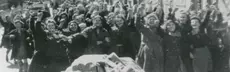
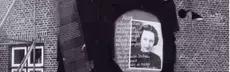
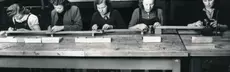




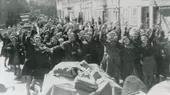
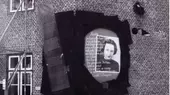
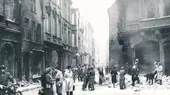
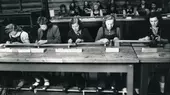
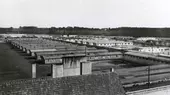
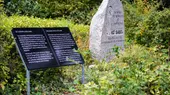
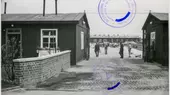
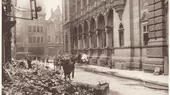
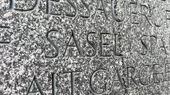
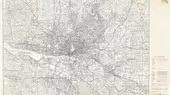
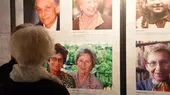
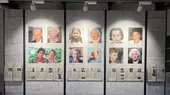
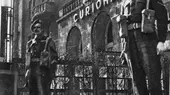
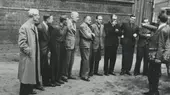
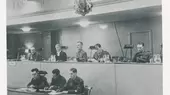
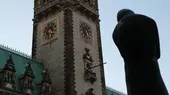

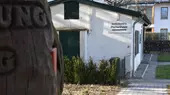

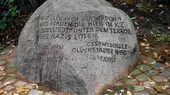

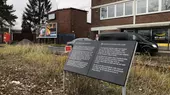
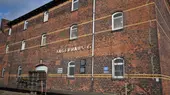
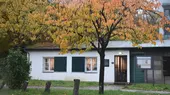
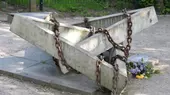
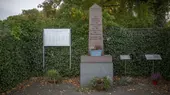
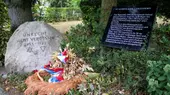
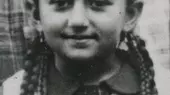
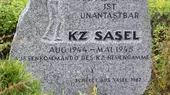
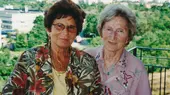


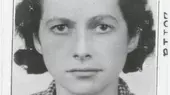
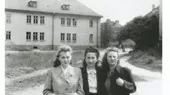

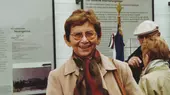
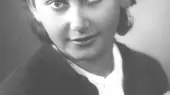

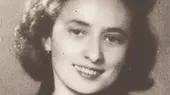

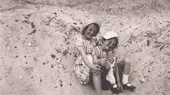

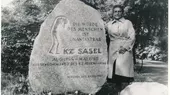
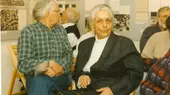
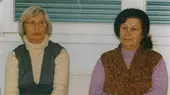
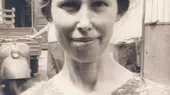
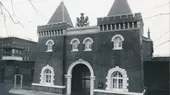
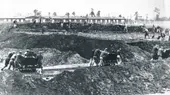
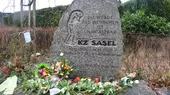
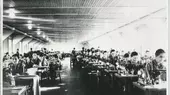
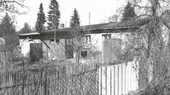
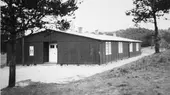
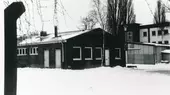
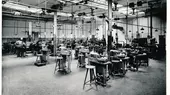

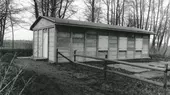
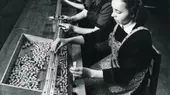
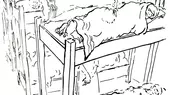
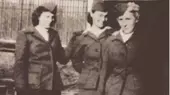
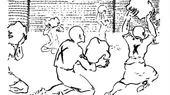
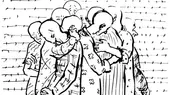
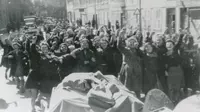 Fragmented Memories:
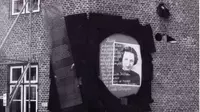 “Our work was hard, clearing bomb damage in and around the city of Hamburg... The rubble, it struck me, resembled my own life; nothing remained of the past but irreparably damaged bits and pieces and fragmented memories.”
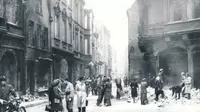 The Persecution of Women in Nazi Germany
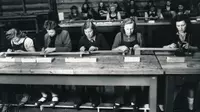 Persecution in Hamburg
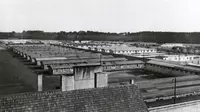 The Ravensbrück Concentration Camp
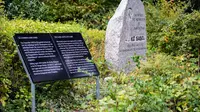 The History of the Women's Satellite Camps of the Neuengamme Concentration Camp
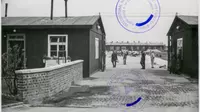 The Neuengamme Concentration Camp
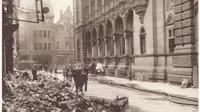 The Creation of Women's Satellite Camps in Hamburg
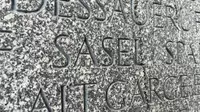 The Women's Satellite Camps in Hamburg and Wedel
 The Women's Satellite Camps in Hamburg
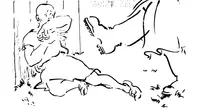 The Daily Life of Prisoners
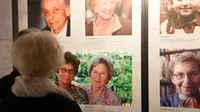 Biographies of Prisoners
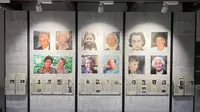 Biographies
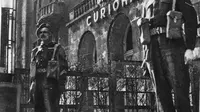 Post-War Trials
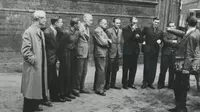 “We were cross-examined...
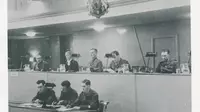 Trials of the Female Satellite Camps
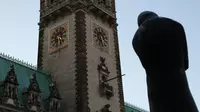 Remembrance in Hamburg
 Remembrance at the Female Satellite Camps
 Resources
 Imprint
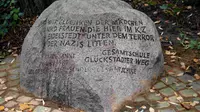 Hamburg-Eidelstedt
 Hamburg-Neugraben
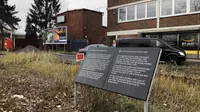 Hamburg-Tiefstack (Diago-Werke)
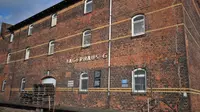 Hamburg-Veddel (Dessauer Ufer)
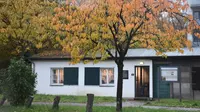 Plattenhaus Poppenbüttel Memorial
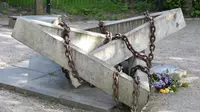 Hamburg-Wandsbek (Drägerwerk AG)
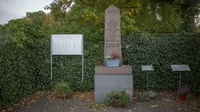 Wedel
Wedel
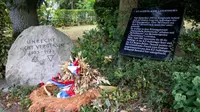 Hamburg-Langenhorn (Ochsenzoll)
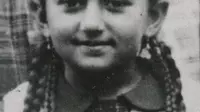 Suleika Klein
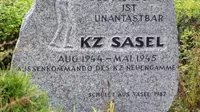 “And when I saw her...
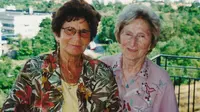 Livia Fränkel (1927-2025) and Hédi Fried (1924-2022)
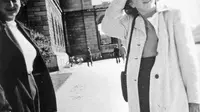 “Freedom.
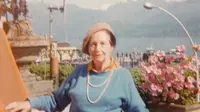 Anita Lobel
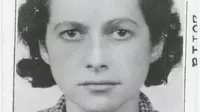 Zyska Reder
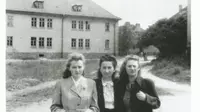 Madeleine Schulps
 When we arrived in Sasel...
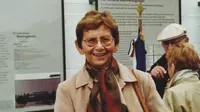 Dagmar Lieblová
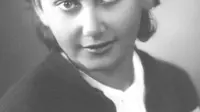 “when things were really bad,...
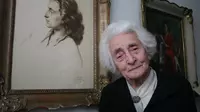 Nada Verbič
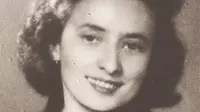 When the watchful guard was observing us...
 Lucille Eichengreen
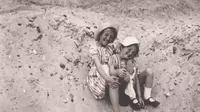 “Most of us were coughing and sick...
 Esther Rosenbaum
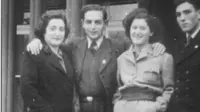 We arrived in Hamburg at the free port...
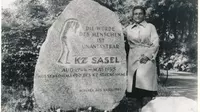 Wanda Edelmann
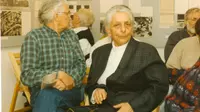 “And then the beatings...
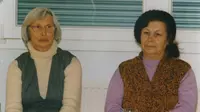 Neonila Kurlyak
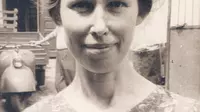 “In 1943, the order came...
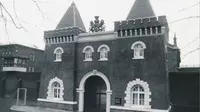 Early Imprisonment
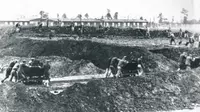 The History of Neuengamme
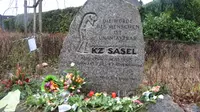 Hamburg-Sasel
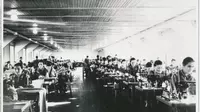 The History of Ravensbrück
 Sasel Trials
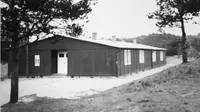 Neugraben and Tiefstack Trials
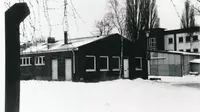 Wandsbek Trials
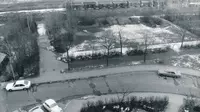 Eidelstedt Trials
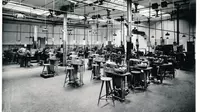 Hamburg-Langenhorn (Ochsenzoll)
 In Neugraben, we worked [...] in all kinds of weather. The winter of 1944/45 seemed to us to be particularly frosty. It was usually very hard work with shovels and pickaxes, digging bunkers several meters deep or doing earth grading work."
 Hamburg-Tiefstack (Diago-Werke)
 Hamburg-Veddel (Dessauer Ufer)
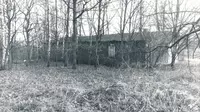 Wedel
Wedel
 Forced Labour
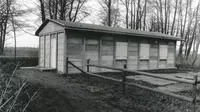 The Construction of Temporary Housing
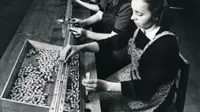 Armaments Production
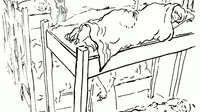 Living Conditions
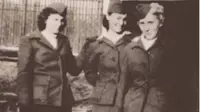 Female SS Guards
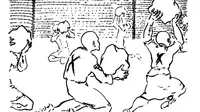 Punishment
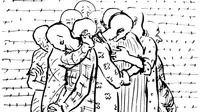 Solidarity